
Hugh Taylor Birch State Park
A green ridge of old Florida between the city and the sea: hammock trails, a paved bike loop, a paddling lake and beach access, 10 minutes from the nest.
- Drive from the nestAbout 10 minutes
- Address3109 E. Sunrise Blvd
- Hours8am to sunset, daily
- CostAbout $2-$6 per entry
- Best forBiking, walking, paddling, birding
- Don't missTunnel to the beach; the dune lake
- Best timeEarly morning, cool season
Photo: Hugh Taylor Birch State Park (9) by Tamanoeconomico, CC BY-SA 4.0, via Wikimedia Commons (cropped)
Hugh Taylor Birch State Park is a shaded ridge of old Florida wedged between the beach high-rises and the Intracoastal: native hammock, a freshwater lake and easy beach access, about ten minutes from the nest. It is the simplest way to swap pavement for real shade and wildlife without leaving Fort Lauderdale.
Most people driving A1A never clock it. They see the wall of green across from the beach and keep going toward the sand. Behind that green is roughly 180 acres of maritime hardwood hammock, one of the last stretches of it left in Broward County, laced with a paved loop road, a couple of short trails, and a coastal dune lake you can paddle. You can bike a loop, walk under the highway to the ocean, rent a kayak, and eat lunch near the water, all inside one park entrance. This guide walks through what the park actually is, how to spend a few hours there, what it costs, and how to fold it into the rest of your trip.
The short version
The park sits at 3109 E. Sunrise Blvd, right where Sunrise meets A1A and the beach. It is open 8am to sunset, 365 days a year, and entry is a small per-vehicle fee. Inside you get a two-mile paved loop road that is great for biking, jogging or skating; the Coastal Hammock Trail through the old-growth shade; a coastal dune lake for paddling; a playground and picnic pavilions on the north end; a pedestrian tunnel under A1A to the beach; and an oceanfront restaurant and rental stand called Park & Ocean on the beach side. Rangers lead guided walks on weekend mornings, and birders do very well here, with more than 250 species recorded.
Who Hugh Taylor Birch was
The park is named for the man who saved the land from becoming another row of condos. Hugh Taylor Birch was a Chicago attorney who first came down to this coast in the 1890s looking for a quiet place to disappear. Land here was cheap back then, and over the years he assembled a long beachfront estate on the barrier island. He called it Terramar, roughly “land to the sea.”
Late in his life Birch built a home on the property, and after he died in 1943 the land passed to the state to become a park. His old house still stands as the Terramar Visitor Center, where you can see displays on the area’s history and the ecosystem the park protects. The visitor center keeps limited daytime hours, so if you want to see inside, check before you count on it.
There is a family thread worth knowing. Birch’s daughter, Helen, married the artist Frederic Clay Bartlett, and the land Birch gave the couple next door became the Bonnet House, the winter estate and gardens you can still tour today. So the two big green properties on this stretch of the barrier island, the state park and the Bonnet House, trace back to the same family holding out against development. If you like the old-Florida angle, do both on the same day; they are a short drive apart.
The paved loop and the trails
The spine of the park is a two-mile paved loop road that runs one way through the hammock. Cars crawl it slowly, but it is really built for people on foot, on bikes, on skates. Renting a bike from the beach-side stand and rolling the loop is one of the easiest good hours you can have here: flat, shaded, low traffic, with the lake on one side and the hammock on the other. If you brought your own wheels or want a longer ride, this pairs naturally with a spin along the beach promenade; see the cycling guide for how the routes connect.
For walking, the Coastal Hammock Trail is the one to do. It is a short loop, figure about 20 minutes at an easy pace, and it stays hiking-only, so you are not dodging bikes. Interpretive signs point out the native plants, and the canopy overhead is the real draw. This is genuine maritime hardwood hammock, the kind of dense coastal forest that used to line this whole barrier island before the hotels went up. It feels cooler under the trees than out on the beach.
Birding and wildlife
The park is a legitimately good birding spot, with more than 250 species recorded, helped by its position on the migratory coast and the mix of hammock, lake and shoreline habitat. Early morning is prime. Beyond birds, the hammock supports gopher tortoises, marsh rabbits, gray squirrels, the occasional opossum, and gray foxes. You are not going to see everything in one visit, but move slowly and quietly on the trail and you will see more than you expect.
Paddling the coastal dune lake
Running down the middle of the park is a freshwater coastal dune lake, a calm, sheltered strip of water that is close to ideal for beginners and kids. There is no ocean chop, no boat wakes, just flat water under the trees. You can rent a kayak, canoe, pedal boat or stand-up paddleboard from the concession over on the beach side near the Beach Gate on A1A, and put in from there.
This is the part of the park families come back for. A paddle here is calm and forgiving, good for a first time on the water, and you can string together a paddle, a walk on the hammock trail, and a swim across the road in a single visit. If you catch the paddling bug and want more open water, the kayaking and paddleboarding guide covers the mangrove and Intracoastal routes around town.
The beach side and Park & Ocean
One of the best features of this park is that it owns land on both sides of A1A, connected by a pedestrian tunnel under the highway. You park inside the hammock, walk the tunnel, and come out on the sand, with no crossing four lanes of beach traffic on foot. The beach here is the same wide, guarded stretch that runs the length of Fort Lauderdale Beach, just reached from the quiet green side instead of the busy promenade side.
On that beach side sits Park & Ocean, the park’s restaurant and garden. It is a casual, oceanfront spot with a Caribbean- and Southern-leaning menu, live music at times, and craft beer, and it doubles as the rental hub, the same stand where you grab kayaks, pedal boats, beach umbrellas and the like. You do not have to eat there to enjoy the park, but it is a handy place to land after a paddle or a ride. Hours vary, so check if you are counting on a meal.
Going with kids
This is an easy park for families. The north end has a playground open to all visitors, and the picnic areas overlook the water. Pavilions with water and electricity can be rented by the day if you want a home base for a group or a birthday. The flat paved loop is stroller- and training-wheels-friendly, the dune lake is calm enough for a first kayak, and the tunnel-to-beach setup keeps little kids away from the road.
For more ways to build a kid-friendly day around here, the family nature attractions guide rounds up the parks, gardens and hands-on spots that pair well with a morning at Birch.
Hours, fees and parking
The park is open 8am to sunset every day of the year. Note that the interior gates close a little before sunset, so do not cut your exit too fine. Entry is a per-vehicle fee, and it is genuinely cheap. The exact amounts can change, so treat these as a rough guide and check current rates before you go:
| How you enter | Typical fee |
|---|---|
| Car, 2–8 people | Around $6 per vehicle |
| Single-occupant car or motorcycle | Around $4 |
| Walk, bike or skate in | Around $2 per person |
| Annual pass | Available; check current rate |
Pay at the ranger station just inside the gate; bring a card or a few singles. Because it is a state park, parking is inside the gate along the loop and near the trailheads, which means you are not fighting the metered beach lots across the street. That alone is a reason to enter from the park side on a busy beach day.
Best time to go
South Florida has two seasons that matter here: the dry, mild winter (roughly November through April) and the hot, wet, buggier summer (roughly May through October). The park is open and worth it year-round, but the experience changes a lot with the calendar.
| Season | What to expect |
|---|---|
| Winter (Nov–Apr) | Cooler, dry, low humidity, peak birding and the busiest days. Best time to walk the trails and picnic. Arrive early on weekends. |
| Summer (May–Oct) | Hot and humid with afternoon thunderstorms and more mosquitoes. Go early morning, keep to the shade, and watch the sky. Quieter overall. |
Whatever the month, morning is the move: cooler air, better wildlife, and you beat both the heat and the crowds. For a fuller breakdown of the seasons across the whole trip, see the best time to visit guide.
What to bring
- Water, since there is shade but the humidity is real and drinking fountains are limited.
- Bug spray, because the shaded trails and lakeside hold mosquitoes, worst at dawn and dusk.
- Sunscreen and a hat for the beach side and the open stretches of the loop.
- A picnic if you want one, plus a few dollars or a card for the entry fee.
- Swim gear if you plan to cross the tunnel to the beach.
- Bikes or skates if you have them, or plan to rent at the beach-side stand.
- Binoculars if you care about the birds.
Making a day of it
The park sits right at the top of the beach strip, so it plugs easily into a bigger day. A simple loop that works:
- Enter early off Sunrise, pay at the gate, and walk the Coastal Hammock Trail while it is cool.
- Rent a kayak at the beach-side stand and paddle the dune lake for an hour.
- Take the tunnel under A1A for a swim, then lunch at Park & Ocean or your own picnic.
- In the afternoon, drift south to Las Olas Oceanside Park and the beach promenade, or tour the neighboring Bonnet House gardens.
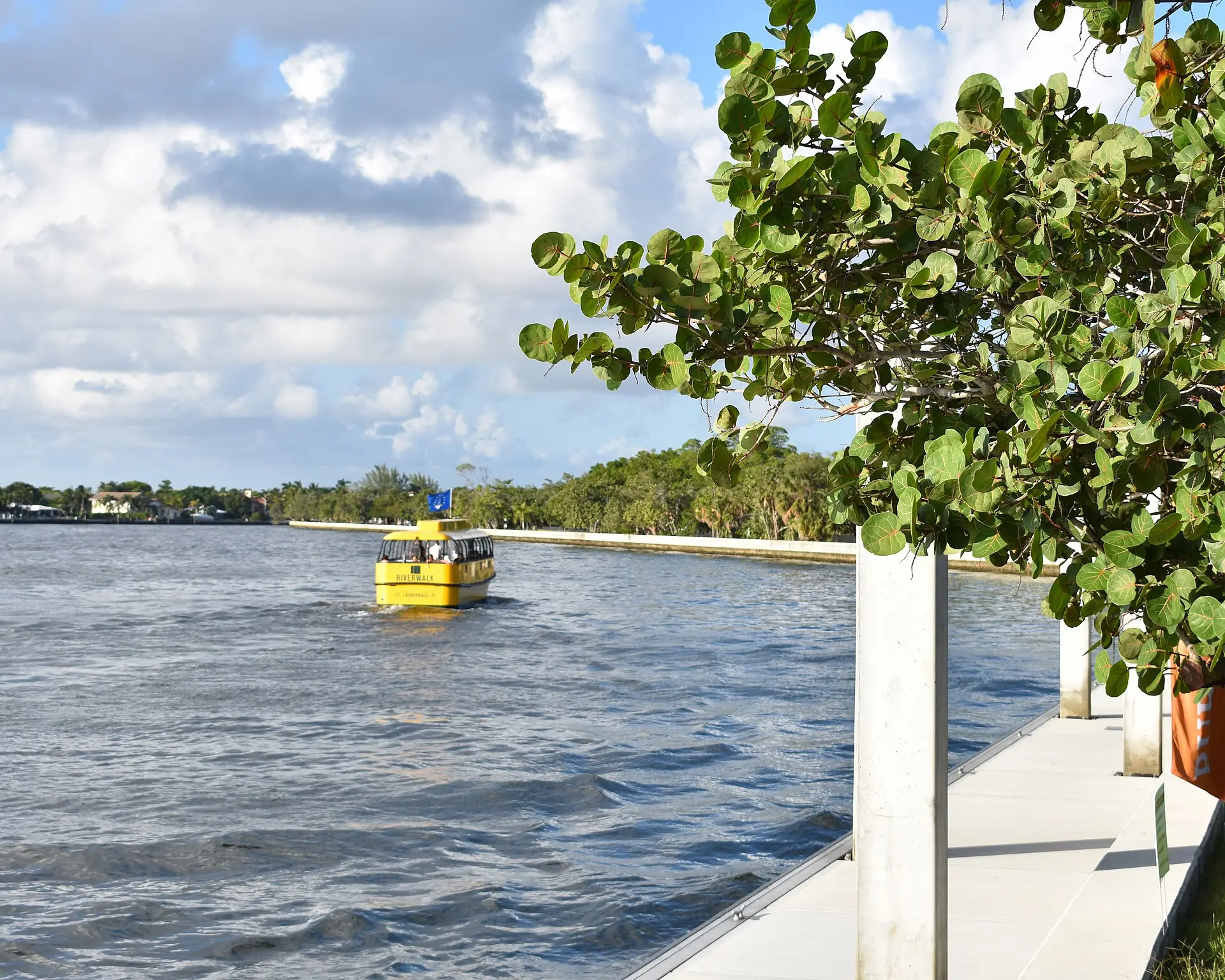
Because the park is so close to the beach and to Las Olas, you can also just use it as the calm bookend to a busier day: an early walk before the beach fills up, or a shaded picnic after. For getting around without much fuss, the getting around Fort Lauderdale guide covers the water taxi, which has a stop nearby, and the easiest routes over from the mainland.
Back at the nest
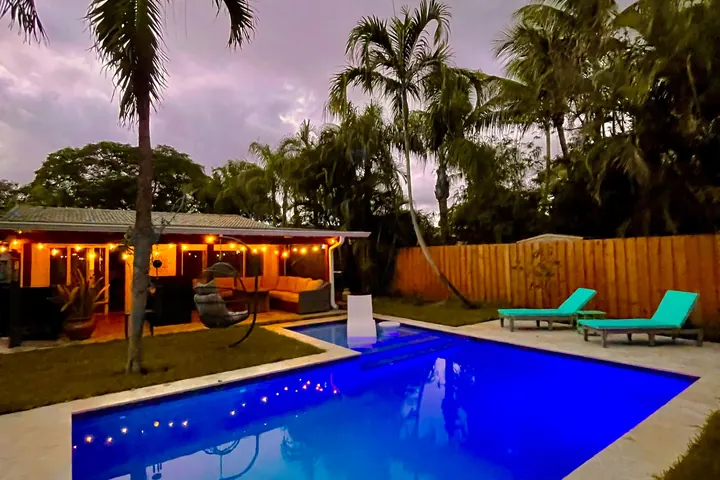
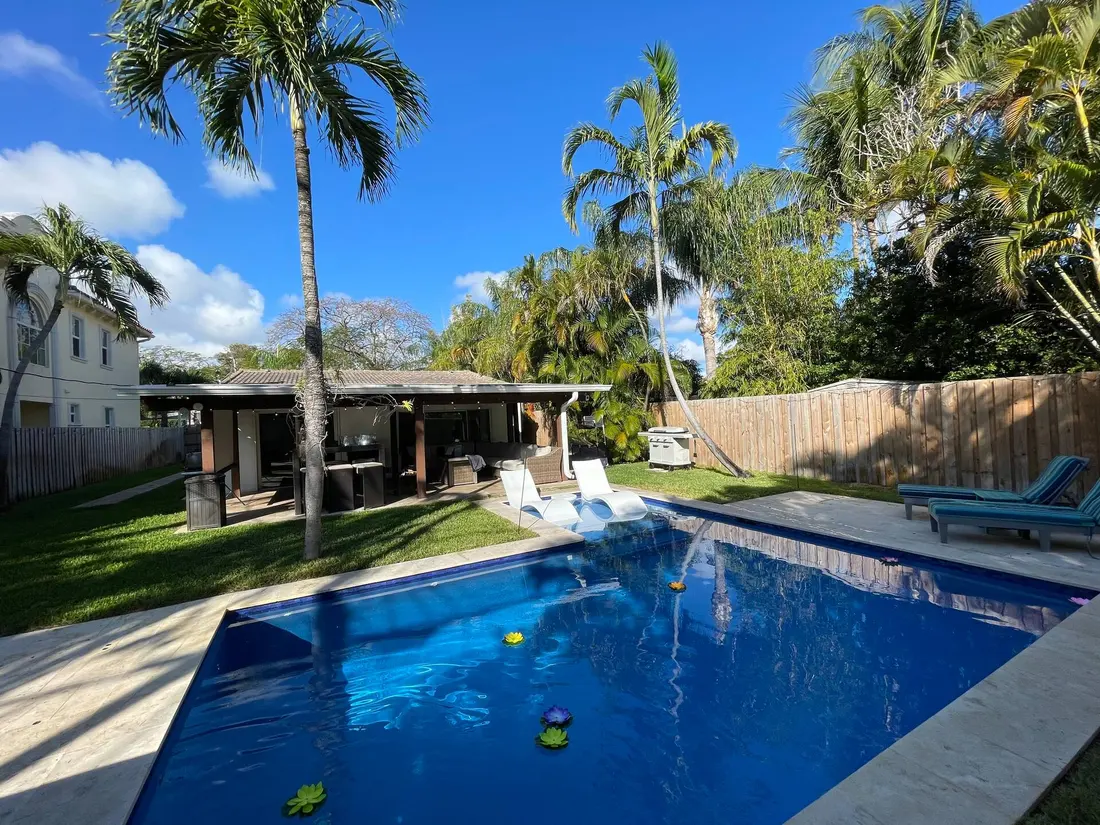
Birch is one of those places that makes staying at Turtle Nest Bungalow easy. It is about a ten-minute drive from the house, so you can be walking under the hammock canopy before most people have finished breakfast, then be back at your own private pool by early afternoon. Rinse off the salt, throw something on the griddle, and let the kids swim off the last of their energy on the sun shelf. Pack the picnic in the full kitchen before you leave, grab the towels, and go. When you want to check dates and book the nest, it is a short, quiet base for exactly this kind of low-effort, high-payoff day: a real slice of old Florida in the morning, your own backyard in the afternoon.
Questions people ask
Where is the park entrance?
The gate is on E. Sunrise Boulevard near A1A, not on the beach road itself. Coming from the nest, take Sunrise east toward the ocean and the entrance is on your left just before the beach.
How much does it cost to get in?
It is a small per-vehicle fee, typically around $6 for a car of two to eight, about $4 for a single driver or motorcycle, and roughly $2 to walk or bike in. Amounts can change, so check before you go.
What are the hours?
The park is open 8am to sunset, 365 days a year. The interior gates close a little before sunset, so plan your exit a little early.
Can I rent kayaks or bikes there?
Yes. The concession on the beach side near the Beach Gate rents kayaks, canoes, pedal boats, paddleboards, bikes and beach gear. Hours vary seasonally.
Is there beach access?
Yes. A pedestrian tunnel runs under A1A from the park to the beach, so you can park in the shade and walk to the sand without crossing the highway.
Is it good for kids?
Very. There is a playground on the north end, calm water for a first kayak, a flat paved loop for bikes, and picnic areas by the water. Bring bug spray for the shaded parts.
What's the connection to the Bonnet House?
The land traces to Hugh Taylor Birch, whose daughter married the artist behind the neighboring Bonnet House. The state park and the Bonnet House are a short drive apart and pair well on one day.
When is the best time to visit?
Early morning is best for cooler air, wildlife and fewer crowds. The dry winter months are the most comfortable overall, while summer is hotter, buggier and prone to afternoon storms.
More Fort Lauderdale guides
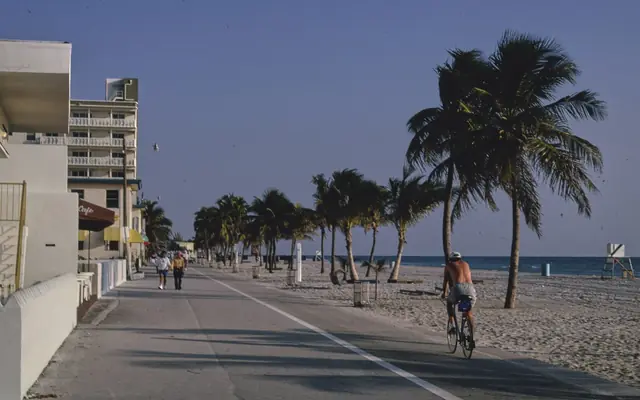 Photo: John Margolies, Public domainParks & outdoors
Cycling Fort Lauderdale
The best rides near the nest: the A1A beachfront path, the New River Greenway and the Las Olas loop, plus where to rent a bike.
Read guide →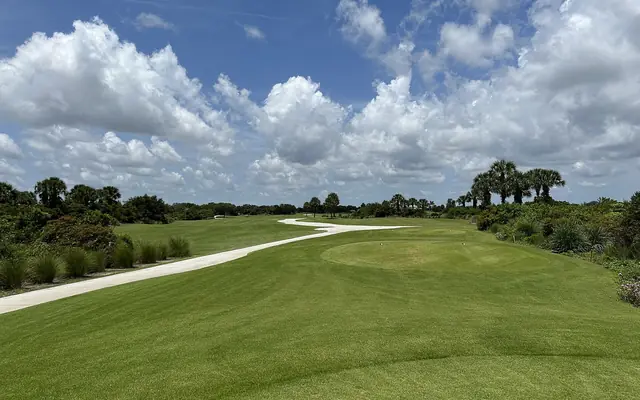 Photo: Gatorfan252525, CC BY-SA 4.0Parks & outdoors
Golf Near the Nest
More than fifty courses within reach, most under thirty minutes away: how to find a good-value public round near Fort Lauderdale.
Read guide →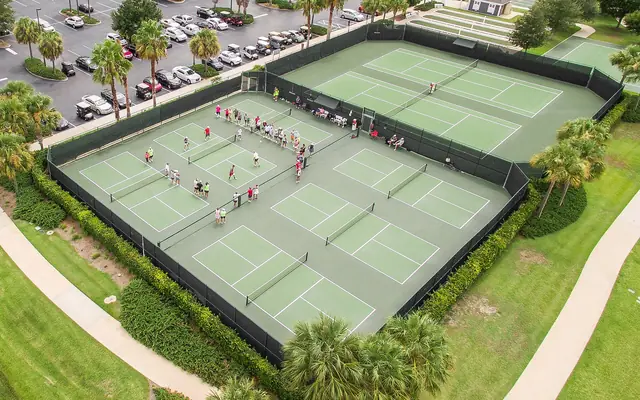 Photo: TheVillagesFL, CC BY-SA 4.0Parks & outdoors
Tennis & Pickleball
Play where champions trained: the Jimmy Evert Tennis Center and Holiday Park's pickleball courts, five minutes from the nest.
Read guide →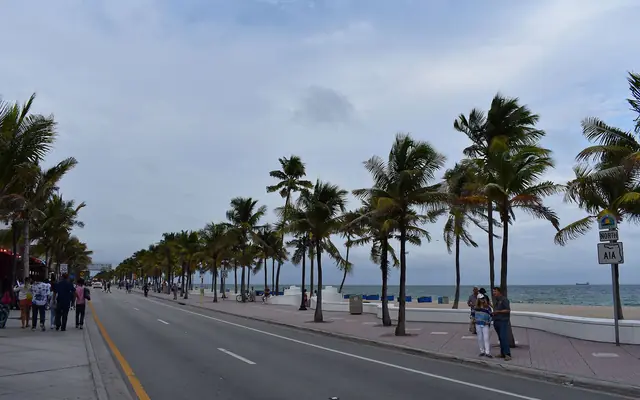 Photo: Tamanoeconomico, CC BY-SA 4.0Beaches & waterfront
Fort Lauderdale Beach & the Promenade
Fort Lauderdale's main public beach: the two-mile wave-wall promenade, where to park, and how to spend an easy day on the sand about ten minutes from the nest.
Read guide →Sources
We checked this guide against these sources in September 2026. Hours, prices and schedules change — confirm before you go.
Read it here. Live it from the nest.
A private pool, room for ten, and every one of these guides a short drive away.
Check Dates & Book