
Kayaking & Paddleboarding
Where to kayak and paddleboard near Fort Lauderdale: the dune lake at Hugh Taylor Birch, the Middle River, Whiskey Creek mangroves, rentals and tips.
- Closest paddle to the nestHugh Taylor Birch, about 10 min
- Best forBeginners, families, calm-water paddling
- Wildest runWhiskey Creek mangroves, ~20 min south
- Rental costVaries, roughly $20/hr; check current rates
- Best time of dayEarly morning, before the wind builds
- Manatee seasonCooler months, roughly Nov-Mar
- Experience needed?No; the water here is flat and sheltered
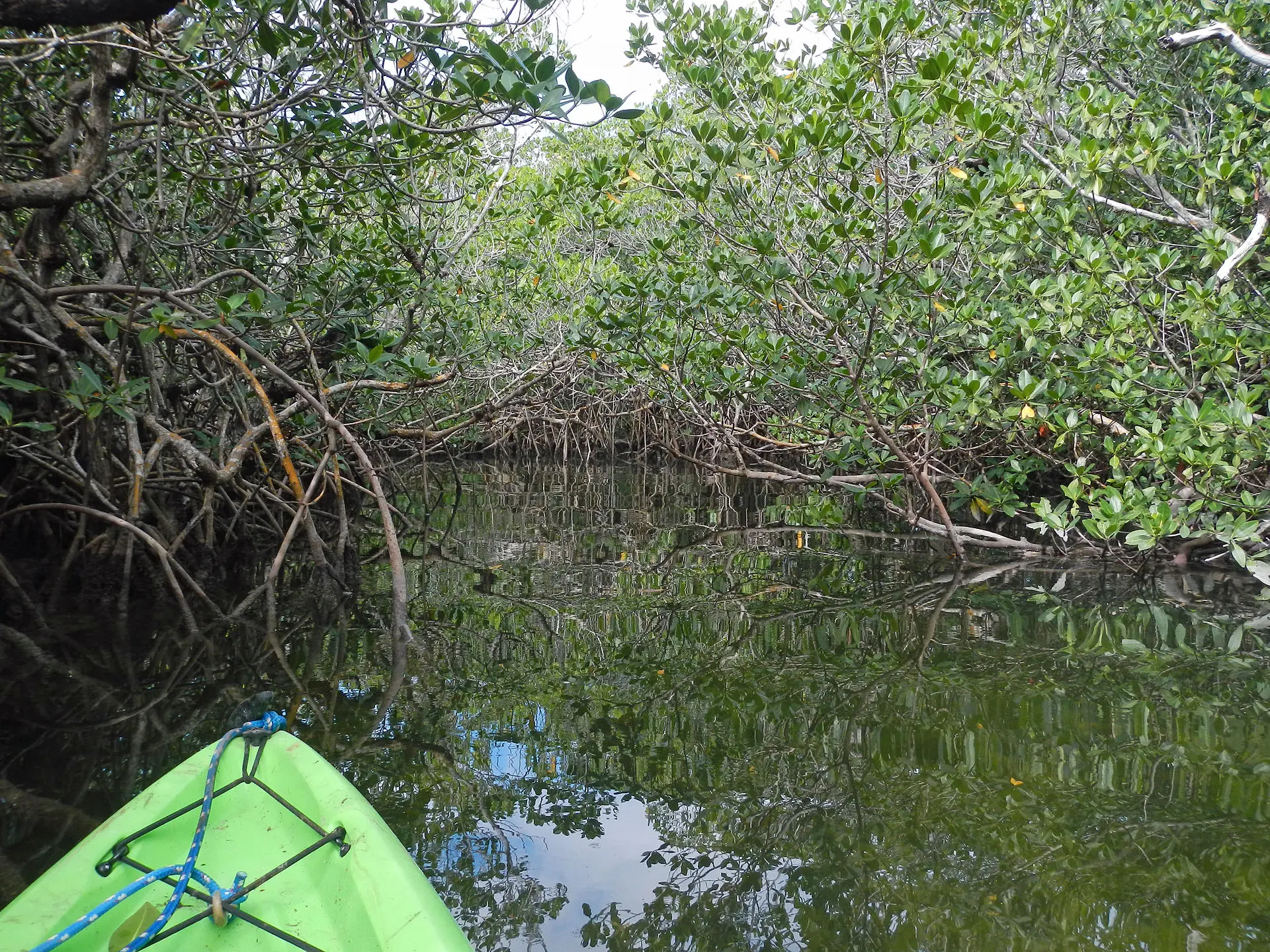
Photo: Mangroves in Pennekamp State Park by Fredlyfish4, CC BY-SA 3.0, via Wikimedia Commons (cropped)
Fort Lauderdale is laced with water — canals, rivers, a coastal dune lake and mangrove creeks — and most of it is flat, sheltered and slow. You do not need to be experienced to enjoy a kayak or paddleboard here, and from Turtle Nest Bungalow the closest launch is about ten minutes away.
Why paddling works so well here
This is a boating town, and the same web of protected waterways that earned it the nickname "the Venice of America" makes it a genuinely good place to paddle. Behind the barrier island, the Intracoastal Waterway and the residential canals off it barely move. There is little to no surf, no strong current, and plenty of shade from seawalls, bridges and the occasional stand of mangroves. A first-timer can put in, wobble for five minutes, and then just enjoy the view.
You have three broad choices near the nest, and they are genuinely different. There is the coastal dune lake inside Hugh Taylor Birch State Park, a green, walled-off lagoon that is the easiest paddle around. There is the Middle River and the canal grid, which is calm, urban and long. And there is the Whiskey Creek mangrove run in Dania Beach, which is the wildest of the three. Below, each in turn, plus where to rent, what to bring, and how to time it.
Hugh Taylor Birch State Park
If you have never held a paddle before, start here. Hugh Taylor Birch is a long ribbon of preserved land sitting between Fort Lauderdale Beach and the Intracoastal, about ten minutes from the nest, and inside it is a freshwater coastal dune lake. The water is flat, sheltered from wind by the tree line, and full of birds — herons, ibis, the occasional osprey overhead. It is quiet in a way that feels a little unreal given the beach is a two-minute drive away.
You can rent a kayak, canoe or paddleboard inside the park rather than hauling your own; a concession near the beach gate typically handles rentals, along with bikes, though it has had closures, so check first. Renting on site saves you the roof rack and the parking-lot shuffle. One rule to know: swimming is generally not allowed in the interior park waters, including the dune lake, so this is a paddle-and-look outing.
An hour on the lake is plenty for most people, and it pairs neatly with the rest of the park — a walk on the trails, a picnic, or a short drive over to the sand afterward. For gate hours, the entry fee and the current state of the rental concession, see our full park guide, and always check before you go, because state-park hours and concessions change seasonally.
The Middle River and the canals
For a longer, more urban paddle, the Middle River and the residential canals off the Intracoastal give you miles of calm, no-current water with houses, docks and the occasional stretch of mangrove along the banks. This is the classic Fort Lauderdale paddle: you glide past people's pools and landscaping, wave at a heron on a piling, and now and then spot a manatee nosing along or an iguana sunning on a seawall.
A common put-in is George English Park on Bayview Drive, which has a boat ramp and parking, and outfitters that rent kayaks and paddleboards near the water. There is usually a small launch fee for the ramp, so check the current rate. From there you can head up the Middle River, which loops around the edge of Wilton Manors. It is a lived-in neighborhood seen from the water, which is its own kind of pleasant.
Several outfitters near the beach and the Intracoastal rent kayaks and stand-up paddleboards by the hour or the day if you would rather not deal with a launch on your own. Some run a set route of a couple of hours through a nature preserve, the Middle River, or a stretch of the Intracoastal, which is a good option if you want a little structure and a guide who knows where the manatees hang out. Rates vary and move around, but figure roughly twenty dollars an hour as a rough starting point and confirm the current price when you book.
Whiskey Creek mangrove run
For something wilder, point the car about twenty minutes south to the Whiskey Creek mangrove run at Dr. Von D. Mizell-Eula Johnson State Park in Dania Beach. This is a classic South Florida paddle: a narrow, shaded tunnel of mangroves and a marked paddling trail that winds through the estuary and opens onto the Intracoastal. The park sits on the barrier island just south of the Port Everglades inlet, so you get real coastal wildness a short drive from the city.
Whiskey Creek is a designated manatee zone, and the cooler months are the time to see them. When the ocean cools, manatees move into sheltered, warmer inland water, and they turn up here from roughly November into March. Even without a manatee sighting, the creek delivers — egrets, jumping mullet, iguanas in the branches, and the green light filtering through the mangrove tunnel. There is usually an on-site rental operation for kayaks, canoes and paddleboards, and guided eco-tours if you want a naturalist along; check current offerings before you go.
Two more spots worth the drive
If you get hooked and want to range farther, two spots outside the immediate area come up again and again. Anne Kolb Nature Center in Hollywood protects a large expanse of mangrove wetland with paddling trails and a marina that rents boats, a good pairing with a day on the Hollywood Beach Broadwalk. And Quiet Waters Park up in Deerfield Beach offers easy lake paddling, with rentals usually available near the entrance. Neither is close to the nest, but both make solid half-day trips once you have paddled the local water and want more.
Which paddle should you pick?
Short version: dune lake if it's your first time or you have kids, the Middle River if you want distance and don't mind an urban view, Whiskey Creek if you want wildlife and mangroves and don't mind the drive.
| Spot | Drive from the nest | Best for |
|---|---|---|
| Hugh Taylor Birch dune lake | About 10 min | First-timers, families, a quick calm hour |
| Middle River & canals | 10–15 min | Longer flat paddles, neighborhood scenery |
| Whiskey Creek, Dania Beach | About 20 min south | Mangroves, manatees, a wilder feel |
| Anne Kolb, Hollywood | 20–30 min south | Big mangrove preserve, birding |
Renting or bringing your own
You almost certainly want to rent. Between Hugh Taylor Birch, George English Park and the beach-area outfitters, there is usually a rental within ten or fifteen minutes of the nest for whichever water you choose, and renting saves you a roof rack, tie-down straps and the hassle of moving a wet boat afterward. Most rentals include a life jacket and a paddle; some throw in a dry bag or a leash for paddleboards.
A few practical notes on renting:
- Book ahead on weekends and in season. Winter and spring are the busy stretch, and the popular launches can run out of boards on a nice Saturday morning.
- Ask about the route. Outfitters know where the current is negligible and where a bridge or an inlet can add chop. Tell them it's your first time and they'll point you at the calm water.
- Kayak or paddleboard? A sit-on-top kayak is the most stable and the easiest with kids or a cooler. A paddleboard is more of a workout; you can also just sit or kneel on it if standing feels tippy.
- Check the cancellation and weather policy. Afternoon storms are common in summer, and a good outfitter will let you reschedule around one.
What to bring
The Florida sun is the main hazard on the water, and most of what goes wrong out here is sunburn, dehydration or a dropped phone. Pack for those three and you're set.
- Sun protection you can get wet — reef-safe sunscreen, a hat with a strap, and sunglasses on a floating cord. A long-sleeve sun shirt beats reapplying lotion for two hours.
- Water, more than you think. There is no shade in the middle of a canal.
- A dry bag or waterproof phone case. Assume anything not sealed is going in the water at some point.
- Water shoes or sandals that strap on. Launches can be muddy or barnacle-covered, and flip-flops float away.
- A small trash bag. Pack out what you bring in. These are protected waters and wildlife habitat.
- Binoculars, if you're into birds. The dune lake and Whiskey Creek both reward them.
When to go: months and weather
You can paddle here year-round, but the seasons feel different on the water. Winter and spring, roughly December through April, are the sweet spot: lower humidity, cooler air, less rain, and manatee season overlapping the front half of it. Summer is hot and humid with near-daily afternoon thunderstorms that build fast, so summer paddling means going early and being off the water by lunch. Late summer into fall is hurricane season; the paddling can be lovely between systems, but keep an eye on the forecast.
Whatever the month, morning is the answer. The wind is lightest, the light is best, the wildlife is most active, and you beat both the heat and the afternoon storms. If you want more on timing a whole trip, our best-time-to-visit guide breaks the year down.
A simple first-timer's morning
- Head out early, on the water by 8 or 9 a.m. while it's glassy.
- Start on the Hugh Taylor Birch dune lake to get your balance, or grab a rental at George English Park for the Middle River.
- Paddle out with the plan to turn around at the halfway point of your energy, not your time. The trip back always feels longer.
- Watch the banks for herons, iguanas and, in the cooler months, manatees. Give any wildlife a wide berth.
- Be off the water before the midday wind and heat. Rinse the gear, and go find lunch.
Safety and etiquette on the water
None of this is dangerous, but the Intracoastal and the wider canals are working waterways with real boat traffic, so a little common sense goes a long way. Wear your life jacket rather than sitting on it. Stay to the right and cross open channels quickly and predictably; a kayak is low and hard for a boat captain to see, so don't assume you've been spotted. Keep clear of docks, moored boats and anyone fishing. And tell someone at the nest roughly where you're going and when you'll be back, especially if you're heading out solo.
If a storm builds, and in summer they build in minutes, get off the water. Lightning is the real hazard here, not waves. Head for the nearest bank or ramp and wait it out rather than trying to sprint home across open water.
Pairing your paddle with the rest of the day
A morning on the water leaves the whole afternoon open, and the geography makes it easy to stack a good day. Paddle the dune lake, then walk ten minutes to the sand at Fort Lauderdale Beach. Or run the Middle River, then cut over to Wilton Manors for lunch, since the river practically wraps around it. Whiskey Creek pairs naturally with a beach afternoon in Dania or a snorkel up at Lauderdale-by-the-Sea, where the reef sits close to shore.
If you like being on the water but would rather someone else do the paddling, the same waterways can be seen from a water taxi seat with a drink in hand, a nice contrast on a day when the wind is up. And anglers can chase the same canals from a kayak; our fishing guide covers what bites where.
Back at the nest
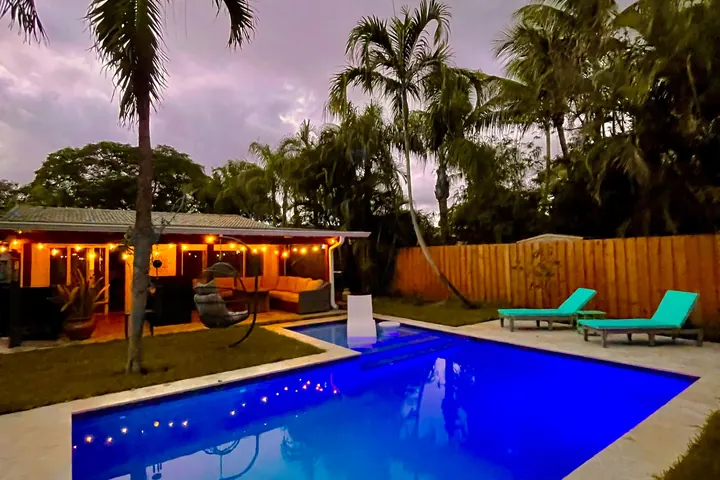
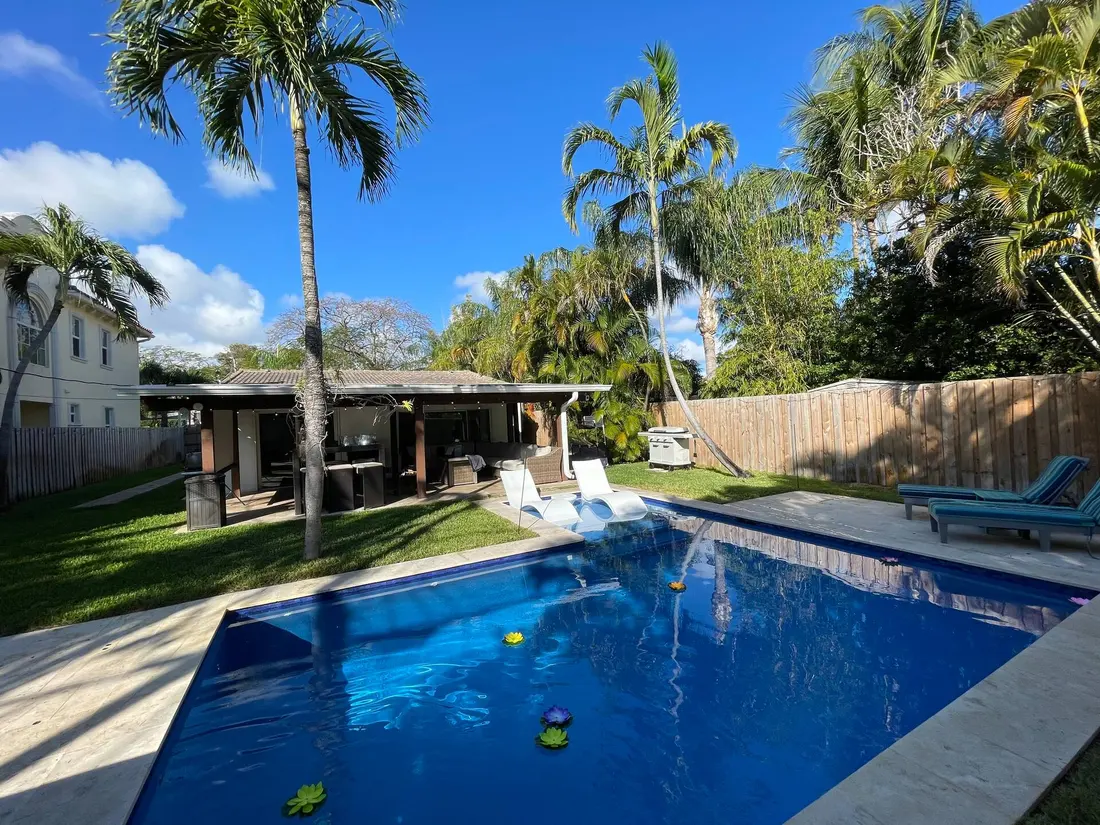
The best part of paddling from Turtle Nest Bungalow is how short the round trip is. The dune lake at Hugh Taylor Birch is about ten minutes away, the Middle River launches are a few minutes farther, and Whiskey Creek is a twenty-minute run south, so you can be on flat water not long after coffee and back at the house by lunch. Rinse the salt and mud off in the outdoor space, take a slow float in the pool with its shallow sun shelf, and let the afternoon go quiet. Fire up the griddle for a late lunch, and if the paddling bug has bitten, plan tomorrow's put-in from a lounge chair. When you're ready to lock in dates, check availability and book the nest.
Questions people ask
Do I need any experience to kayak or paddleboard here?
No. Most of the water near the nest, the Hugh Taylor Birch dune lake, the Middle River and the canals, is flat and sheltered with no real current, which makes it beginner-friendly. Start on the dune lake if it's your first time.
Where can I rent a kayak or paddleboard near Turtle Nest?
There are usually rentals inside Hugh Taylor Birch State Park, at George English Park on the Middle River, and at several outfitters near the beach and Intracoastal. Renting on site saves you hauling and tying down your own boat. Rates and hours change, so call ahead, especially on weekends.
How much does it cost?
It varies by outfitter and season. A rough starting point is around twenty dollars an hour, with day rates available at some spots. Confirm the current price when you book, and note the state parks also charge a per-vehicle entry fee at the gate.
When can I see manatees?
Manatees move into sheltered inland water when the ocean cools, so the cooler months, roughly November into March, are the time to look. Whiskey Creek in Dania Beach is a designated manatee zone and one of the better local bets. If you see one, stop paddling and give it room.
What's the best time of day to go?
Early morning. The wind is lightest, the water is glassiest, wildlife is most active, and you beat both the midday heat and the afternoon storms that are common in summer. Aim to be on the water by 8 or 9 a.m.
Is Whiskey Creek worth the drive?
If you want mangroves and wildlife, yes. It's a shaded mangrove paddling trail at Dr. Von D. Mizell-Eula Johnson State Park in Dania Beach, about twenty minutes south, and it feels genuinely wild despite being close to the city. The dune lake is easier and closer if you just want a quick calm paddle.
Can I bring young kids?
Yes. The Hugh Taylor Birch dune lake is about as forgiving as paddling gets, with no current and no boat traffic. A stable sit-on-top kayak or a paddleboard you can sit on works well, and rentals usually include life jackets. Keep everyone in a properly fitted life vest.
What should I bring?
Sun protection you can get wet, plenty of water, a dry bag or waterproof phone case, and shoes that strap on. There's little shade in the middle of a canal, so sun and hydration matter most. Pack out any trash; these are protected waters.
More Fort Lauderdale guides
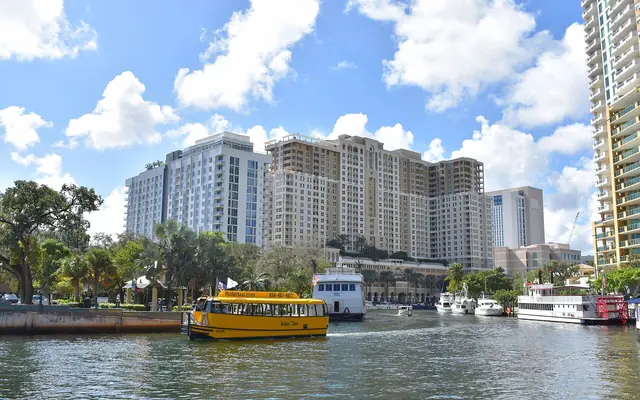 Photo: Tamanoeconomico, CC BY-SA 4.0On the water
The Fort Lauderdale Water Taxi
How the hop-on, hop-off Water Taxi works: the all-day pass, the stops worth using, and why it is the most fun way to see the canals and the Intracoastal.
Read guide → Photo: Richard Mc Neil, CC BY 3.0On the water
The Jungle Queen Riverboat
A Fort Lauderdale institution since 1935: a double-decker riverboat up the New River past Millionaire's Row, plus the tropical-island barbecue dinner cruise.
Read guide →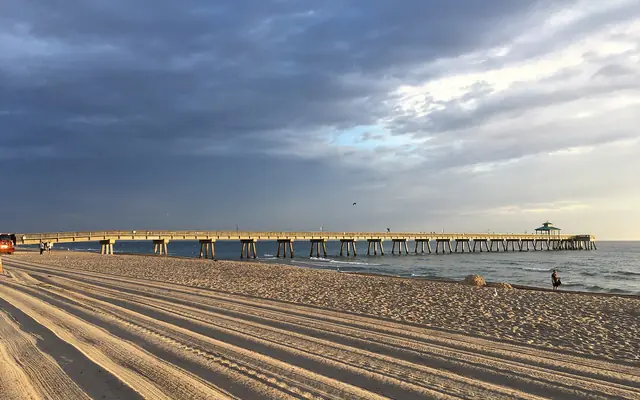 Photo: Old Hoar's Frost, CC BY-SA 4.0On the water
Fishing in Fort Lauderdale
From a $7 pier to a Gulf Stream charter: the pier, drift-boat and deep-sea options for getting a line in the water near the nest.
Read guide →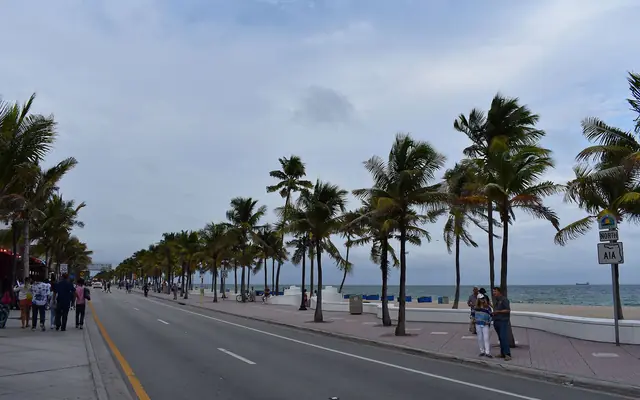 Photo: Tamanoeconomico, CC BY-SA 4.0Beaches & waterfront
Fort Lauderdale Beach & the Promenade
Fort Lauderdale's main public beach: the two-mile wave-wall promenade, where to park, and how to spend an easy day on the sand about ten minutes from the nest.
Read guide →Sources
We checked this guide against these sources in September 2026. Hours, prices and schedules change — confirm before you go.
Read it here. Live it from the nest.
A private pool, room for ten, and every one of these guides a short drive away.
Check Dates & Book