
Keeping Your Dog Safe in South Florida
Heat, hot pavement, cane toads, alligators, blue-green algae, man o' war, heartworm and hurricanes: what to watch for with a dog in South Florida.
- Pavement testNo hand on it for 10 seconds: likely too hot
- Cane toadsOut after dark, year-round
- Alligator hotline866-392-4286 (FWC)
- MosquitoesYear-round in South Florida
- Hurricane seasonJune 1 to November 30
- ASPCA Poison Control(888) 426-4435, 24/7
South Florida is easy on a dog once you plan around a few local hazards: heat and hot surfaces, cane toads after dark, alligators and algae in fresh water, stinging sea life on the beach, year-round mosquitoes and hurricane season. Here is what each one looks like and what to do, checked against state and veterinary sources in September 2026.
Heat, hot pavement and hot turf
The American Veterinary Medical Association's advice is to walk in the cooler hours, skip hot surfaces like asphalt that can burn paws, and carry water. Cornell's veterinary college adds a quick test: if you can't hold your hand, or stand barefoot, on the pavement for about 10 seconds, it's likely too hot for your dog. It also flags late afternoon, around 3 to 5 pm, as a time to skip exercise. Short-nosed breeds and older or overweight dogs are at higher risk.
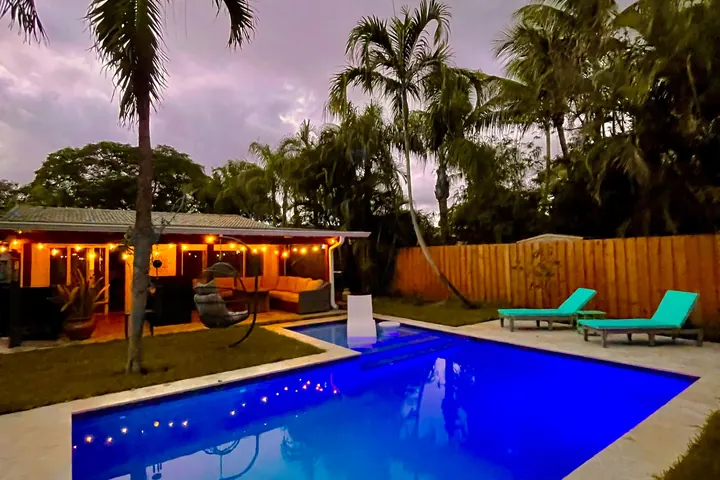
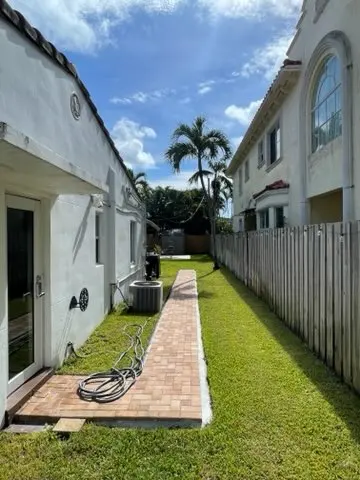
Synthetic turf heats up too. Penn State's turf researchers found it generally runs 35 to 55 degrees hotter than natural grass in the sun, peaking from about noon to 3 pm, and watering cools it only briefly. The yard at the house has new artificial turf, so touch it on a sunny afternoon before the dog goes out. The pool is for people; hose the dog down with the outdoor shower instead.
Heavy panting, drooling, restlessness, unsteadiness, odd gum or tongue color and collapse are signs of heat stress, and the AVMA treats them as an emergency. Move the dog into air conditioning, wet it with cool water, and call a vet.
Cane toads
Cane toads, also called Bufo toads, are established across much of southern Florida. UF/IFAS says they are poisonous at every life stage, and the large, somewhat triangular glands on their shoulders squirt toxin when a dog mouths one. Adults come out after sunset, and in South Florida they can breed year-round.
Signs of poisoning include unusually red or pink gums, drooling or frothing, pawing at the mouth and seizures. UF/IFAS first aid: wipe the mouth with a damp rag, rinse it with a hose for 15 minutes so the water flows out of the mouth and not down the throat, and call your vet right away. Don't leave pet food outside at night, or the dog alone outdoors at dawn, dusk or after dark.
Canals, lakes and ponds
The Florida Fish and Wildlife Conservation Commission's alligator advice: keep pets on a leash and away from the water's edge, never let them swim in fresh or brackish water, and take the most care from dusk to dawn, when alligators are most active. April through June is mating season, when more of them are on the move. Never feed one. If an alligator threatens people or pets, call the FWC's Nuisance Alligator Hotline at 866-392-4286.
Blue-green algae blooms usually happen in summer or early fall. The Florida Department of Health says to stay out of water with foam, scum or mats of algae, bathe a dog that swims in it as soon as possible because toxins collect on fur and get licked off, and see a vet right away if it acts ill. Report a bloom to the Department of Environmental Protection at 855-305-3903.
At the beach
Dogs are allowed on only some stretches of sand; see dog-friendly beaches for where and when. Once you're there:
- Hot sand. A Texas Veterinary Medical Foundation vet's rule: if the sand is uncomfortable for your feet, it's too hot for paws.
- Sandspurs. This grass grows in sandy, undisturbed ground, and from June through November it carries burs with hooked spines that cling to fur, says UF/IFAS. Check paws and coat after sandy walks.
- Portuguese man o' war. A purple flag means dangerous marine life. NOAA notes a man o' war can still sting weeks after washing ashore, so keep the dog away from anything washed up. Fort Lauderdale posts the day's flags and any sea pests on its beach conditions page and hotline, 954-828-4597.
- Salt water. Bring fresh water; drinking a lot of seawater can push a dog's sodium to dangerous levels.
Mosquitoes and heartworm
Broward County's mosquito control office says mosquitoes are present year-round in South Florida, and mosquitoes spread heartworm. The American Heartworm Society recommends year-round prevention, so keep your dog's preventive on schedule for the trip, and tip out water bowls left outside.
Hurricane season with a pet
The Atlantic hurricane season runs June 1 to November 30, with most activity from mid-August to mid-October. If a storm threatens during your stay, Broward County's first choice for evacuees with pets is a friend's home or a pet-friendly hotel outside the evacuation zone. Some public shelters are designated pet-friendly, first come, first served: pets must be in a carrier or crate, dogs need a collar and leash, and you must show a rabies certificate, so pack it. Bring a week of food, water and supplies, and call 311 or 954-831-4000 for shelter openings. Ready.gov's pet kit adds medicine, ID tags and a photo of your pet. More in hurricane season and your trip.
Hazards at a glance
When each hazard peaks and what to do about it.
| Hazard | Season | What to do |
|---|---|---|
| Heat and hot pavement | Sunny days; worst on summer afternoons | Walk early and late, test the pavement, carry water |
| Hot turf and sand | Sunny middays | Touch it before the dog walks on it |
| Cane toads | Year-round, after dark | Supervise at night; if mouthed, wipe and rinse the mouth, call a vet |
| Alligators | Year-round; most active dusk to dawn | Leash, stay back from the water, no swimming in fresh or brackish water |
| Blue-green algae | Usually summer and early fall | Stay out of scummy water; bathe the dog; vet if ill |
| Sandspurs | June through November | Check paws and coat |
| Man o' war | Any time the purple flag flies | Keep the dog away from anything washed up |
| Mosquitoes | Year-round | Keep heartworm prevention current |
| Hurricanes | June 1 to November 30 | Carrier, leash, rabies certificate, a week of supplies |
If something goes wrong
For a suspected poisoning, call the ASPCA Animal Poison Control Center at (888) 426-4435. It answers 24/7, every day of the year, and a consultation fee may apply. For animal hospitals, see emergency vets near Fort Lauderdale, and for safe routes near the house, dog walks near the nest.
Questions people ask
How do I know if the pavement is too hot for my dog?
Use the hand test from Cornell's veterinary college: if you can't hold your hand, or stand barefoot, on the pavement for about 10 seconds, it's likely too hot for your dog. Walk early in the morning and in the evening instead, and skip exercise in the late afternoon.
What should I do if my dog bites a cane toad?
UF/IFAS says to wipe the dog's mouth with a damp rag, then rinse it with a hose for 15 minutes, pointing the water so it flows out of the mouth and not down the throat, and call your vet right away. Red or pink gums, drooling, pawing at the mouth and seizures are warning signs.
Can my dog swim in the canals or lakes?
The Florida Fish and Wildlife Conservation Commission advises keeping pets on a leash and away from the water's edge, and never letting them swim in fresh or brackish water, because of alligators. Blue-green algae blooms, usually in summer and early fall, are another reason to keep dogs out.
Does my dog need heartworm prevention for a trip to Florida?
Broward County says mosquitoes are present year-round in South Florida, and mosquitoes spread heartworm. The American Heartworm Society recommends year-round prevention, so keep your dog's preventive on schedule and ask your vet before you travel.
What happens with my dog if a hurricane threatens during my stay?
Broward County's first choice for evacuees with pets is a friend's home or a pet-friendly hotel outside the evacuation zone. Some public shelters are pet-friendly, first come, first served, and require a carrier or crate, a collar and leash for dogs, a rabies certificate and a week of supplies. Call 311 or 954-831-4000 for openings.
Who do I call if I think my dog ate something poisonous?
Call your vet or the ASPCA Animal Poison Control Center at (888) 426-4435, which answers 24/7, every day of the year. A consultation fee may apply.
More Fort Lauderdale guides
 Pets & dogs
A Pet-Friendly Vacation Rental in Fort Lauderdale
Bringing the dog to Fort Lauderdale? Pets are welcome at Turtle Nest Bungalow: a fully fenced backyard, an outdoor shower and Holiday Park a short walk away.
Read guide → Photo: Richard Mc Neil, CC BY 3.0Pets & dogs
Dog Walks Near the Nest
The best dog walks near Turtle Nest Bungalow in Fort Lauderdale: Holiday Park, the neighborhood streets, the Riverwalk and the leash rules that apply.
Read guide → Photo: Cmasi, CC BY-SA 4.0Pets & dogs
Things to Do With Your Dog in Fort Lauderdale
Dog-friendly things to do in Fort Lauderdale: where leashed dogs are welcome, what to plan around, and the places dogs can't go.
Read guide →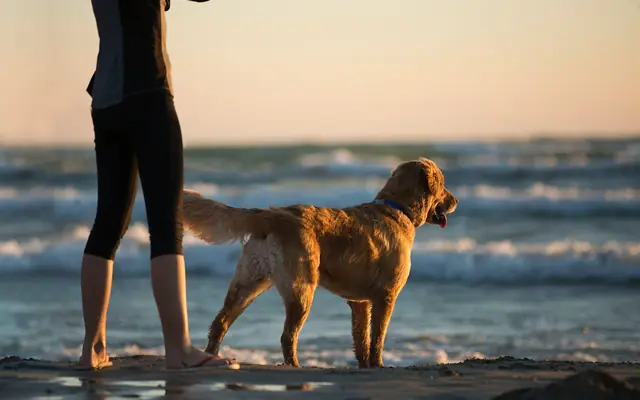 Photo: Joysadhin, CC BY-SA 4.0Pets & dogs
Dog-Friendly Beaches Near Fort Lauderdale
Where dogs are allowed on the beach near Fort Lauderdale: Canine Beach, the other dog beaches within a day trip, days, hours and permits.
Read guide →Sources
We checked this guide against these sources in September 2026. Hours, prices and schedules change — confirm before you go.
- American Veterinary Medical Association - Warm weather pet safety
- Cornell University College of Veterinary Medicine - Summer heat safety tips for dogs
- Penn State Center for Sports Surface Research - Surface Temperature of Synthetic Turf
- UF/IFAS EDIS - The Cane or Bufo Toad (Rhinella marina) in Florida
- Florida Fish and Wildlife Conservation Commission - Tips to safely co-exist with alligators
- Florida Fish and Wildlife Conservation Commission - Safety Tips for People and Pets
- ABC7 Sarasota - FWC shares alligator safety tips (August 26, 2026)
- Florida Department of Health - Harmful Algal Blooms
- Florida Department of Health in Lee County - Blue Green Algae
- Florida Department of Environmental Protection - Algal Bloom Contacts
- Texas Veterinary Medical Foundation - Paws in the Sand
- UF/IFAS Extension Taylor County - Sandspurs (Sandburs), Cenchrus spp. (December 11, 2025)
- NOAA Ocean Service - What is a Portuguese man o' war?
- City of Sunny Isles Beach - Beach Flag Warning System
- City of Fort Lauderdale - Beach Conditions
- Broward County - Mosquito Control
- American Heartworm Society - Heartworm Prevention for Dogs
- NOAA National Hurricane Center - Tropical Cyclone Climatology
- Broward County - Shelter Alternatives (pet-friendly shelters)
- Broward County - Evacuation Information
- Ready.gov - Prepare Your Pets for Disasters
- ASPCA - Animal Poison Control
Read it here. Live it from the nest.
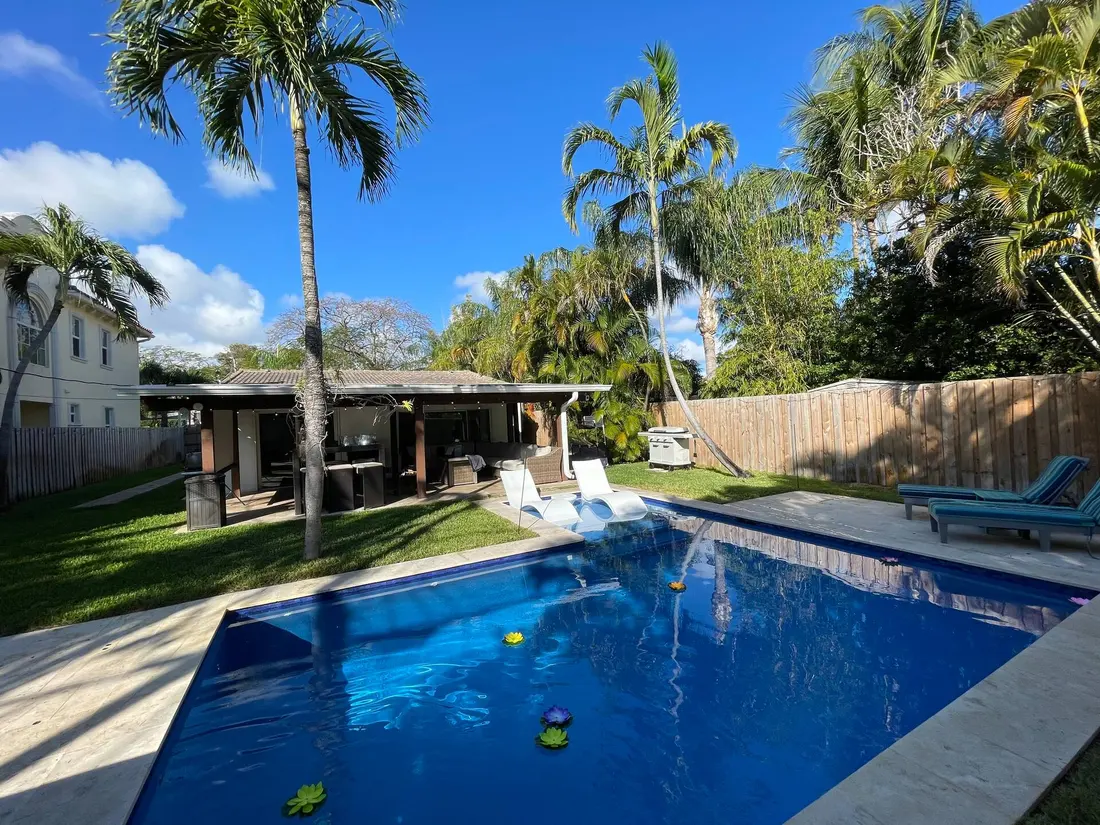
A private pool, room for ten, and every one of these guides a short drive away.
Check Dates & Book