
The Best Time to Visit
A month-by-month look at Fort Lauderdale weather, crowds and prices, so you can pick the season that fits your trip.
- Peak seasonDecember to April
- Best value weatherNovember, then May
- Cheapest monthOften October
- Hottest stretchJuly to August, near 90°F
- Hurricane seasonJune 1 to November 30
- Water tempWarm year-round, roughly upper 70s to mid-80s
- Drive to the beachAbout 10 minutes from the nest
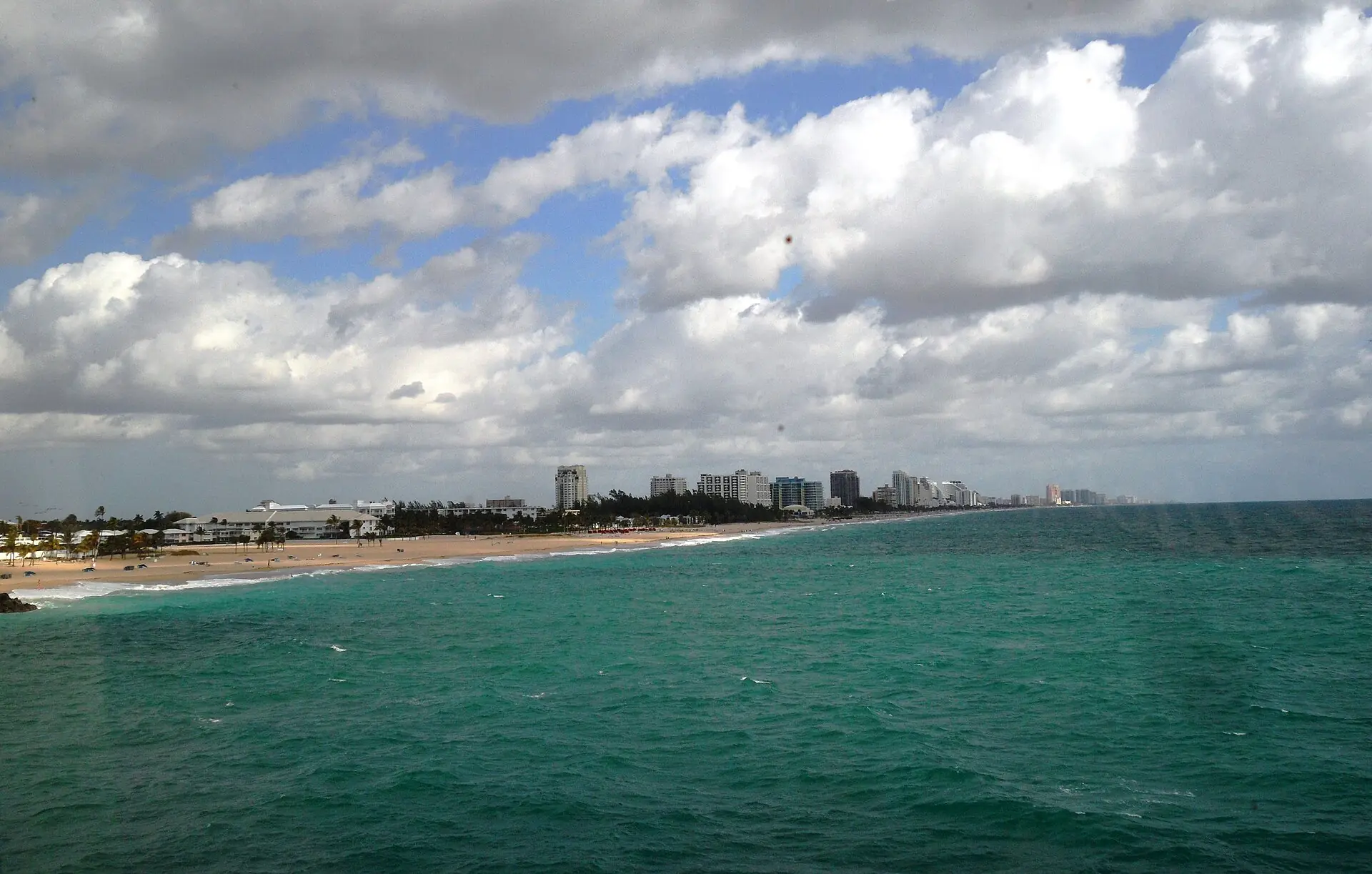
Photo: Beach Fort Lauderdale Lago Mar Beach Florida Atlantic Coast by EgorovaSvetlana, CC BY-SA 4.0, via Wikimedia Commons (cropped)
Fort Lauderdale is a year-round destination, but the season you pick shapes the whole trip — the weather, the crowds and the price all move together. Pick your priority, and the calendar mostly sorts itself out. Here is how the year breaks down so you can choose the trade-off that suits you.
The short version
If you want the best weather and you do not mind paying for it, come between December and April. If you want almost the same weather for a lot less money and fewer people, aim for November or May. If price is the whole game and you can live with heat, humidity and the odd storm, summer and early fall are the cheapest windows of the year, with October often the very cheapest.
That is the trade every visitor is really making here: sunshine and empty-ish beaches rarely come cheap at the same time. The good news is that Fort Lauderdale never really has a bad season. Even in the wettest stretch the sun is out most of the day, the ocean stays warm, and a rained-out afternoon usually clears within an hour. So the real question is just which version of good you want.
Peak season: December to April
This is the postcard weather. Mild, dry days in the mid-70s through winter, warming into the low 80s by spring, with low humidity and a steady breeze off the water. Nights are cool enough for a light layer. Rain is scarce; the dry season runs roughly November through April, and midwinter is usually the driest stretch of the year. For a lot of people this is simply what they pictured when they booked Florida: warm, bright and comfortable.
It is also the busiest and most expensive stretch, by a wide margin. Snowbirds settle in for months at a time, spring-breakers arrive in waves through March, and the whole city runs at capacity. Hotels charge their top rates, waterfront restaurants stay booked, and beach parking fills early. If these are your dates, reserve everything well ahead: the place to stay first, then dinner tables, then any tour or charter you have your heart set on.
What is happening in peak season
Winter is also when the event calendar is fullest. The Winterfest Boat Parade lights up the Intracoastal in December, with decorated boats running a long route through the heart of the city and big crowds along the banks. Christmas on Las Olas turns the boulevard into a street party the same month. In January there is a long-running art fair on the boulevard, and a food-and-wine festival puts area chefs on display around that time too. Exact dates and details shift year to year, so check our annual events guide before you lock in a weekend.
The shoulder: November and May
The shoulder months are the sweet spot for a lot of travelers, and they are the two we recommend most. You still get excellent weather, but the crowds thin out noticeably and the rates come well off their winter peak.
November in particular tends to be warm, dry and low in humidity, which makes it arguably the best weather-to-value month of the year. The summer rain has tapered off, hurricane season is winding down, and the winter rush has not started yet. Days are bright and comfortable, evenings are pleasant, and you can usually walk up to a good restaurant without a two-week reservation. May sits on the other side of the calendar: still mostly dry, a touch warmer and more humid than November as summer approaches, but with the same easy trade of great conditions for smaller crowds.
If your dates are flexible and you are choosing purely on comfort and value, start here. You give up very little in weather and you get back money, elbow room and a more relaxed pace.
Summer and early fall: June to October
Summer, roughly June through September, is hot and humid. Highs push near 90 through July and August, and many summer days peak somewhere in the 90s. The humidity is the hard part and can feel heavy by midday. What saves the afternoon is the reliable thunderstorm: clouds build inland, a short, hard shower rolls through, and it is often bright again within the hour. Mornings are usually clear, which is why locals do their beach time and outdoor errands early.
This is also the cheapest time to come. Rates fall through the summer and October is frequently the year's lowest, so if you are chasing value on a private pool home and can handle the heat, this is your window. The ocean is at its warmest, close to bathwater by late summer, and the beaches are far less crowded than in winter.
September is among the wettest months and the deepest part of the rainy season, so it is the one stretch where an all-day gray patch is genuinely possible. Pack for it, with a light rain layer and a flexible plan, and you will be fine. Having a full kitchen and a pool to fall back on takes most of the sting out of a wet afternoon.
Hurricane season
The Atlantic hurricane season runs June 1 to November 30, and it peaks in late summer and early fall, with September and October seeing the most activity. Most of that season is just normal warm, showery Florida weather, and Fort Lauderdale only rarely takes a direct hit from a major storm. But the risk is real enough that it is worth planning around if you travel in this window.
The practical advice is simple. Watch the forecast in the days before a late-summer or early-fall trip; the National Hurricane Center tracks systems well in advance, so you are rarely surprised. Consider travel insurance for those dates. And if a storm does look likely, follow local guidance from Broward County and the city rather than trying to tough it out. A named storm during your stay is unlikely, and being caught flat-footed by one is avoidable.
Month by month, at a glance
No single month is the answer for everyone. Here is the quick read on what you are trading in each part of the year.
| Window | Weather | Crowds & price | Best for |
|---|---|---|---|
| Dec–Feb | Mild, dry, mid-70s; cool nights | Busiest, priciest | Winter escape, the big events, snowbirds |
| Mar–Apr | Warm, dry, low 80s | Busy; spring break in March | Reliable sun, beach season, families on school breaks |
| May | Warm, mostly dry, rising humidity | Quieter, better value | Great weather without the peak-season prices |
| Jun–Aug | Hot, humid, near 90; afternoon storms | Cheaper, uncrowded | Warm ocean, pool days, budget trips |
| Sep–Oct | Hot, wettest stretch; storm-watch | Cheapest, emptiest | Lowest rates, flexible travelers |
| Nov | Warm, dry, low humidity | Quieter, strong value | Arguably the best weather-to-value month |
How to think about your dates
Rather than hunting for one perfect week, match the season to what you actually want out of the trip.
- You want the most reliable sun and do not mind the cost. Book December through April, and book early. The best homes and tables go first.
- You want that same sun for less. Target November or May. This is the flexible traveler's win.
- Price is everything and heat is fine. Come June through October, lean on early mornings and the pool, and keep an eye on the tropics if you travel in September or October.
- You are here for a specific event. Let the event set the date, then plan around the crowds it brings. The boat parade and the holiday festivals fill the city fast.
What the weather does not change
A few things hold up in any season, which is worth remembering when you are agonizing over dates. The ocean is swimmable year-round. The water taxi runs through the year and is a fine way to see the city from the canals whatever the month. Indoor options like museums, Las Olas shopping and the restaurant scene are there as rain backup in summer and as a break from the sun in winter. And a day trip to the Everglades works in every season, though the cooler, drier winter months are the most comfortable for it.
What to pack, by season
- Winter (Dec–Feb): Swimwear and shorts for the day, plus a light sweater or jacket for cooler evenings and breezy nights on the water.
- Spring and fall shoulders (Mar–May, Nov): Warm-weather basics, sunscreen, and a light layer. You will rarely need more.
- Summer (Jun–Oct): Lightweight, breathable clothes, strong sunscreen, a hat, and a packable rain layer for the afternoon shower. Bug spray for evenings near the water.
- Any season: Reef-safe sunscreen, sandals you can walk in, and something a little nicer for dinner on Las Olas.
Back at the nest
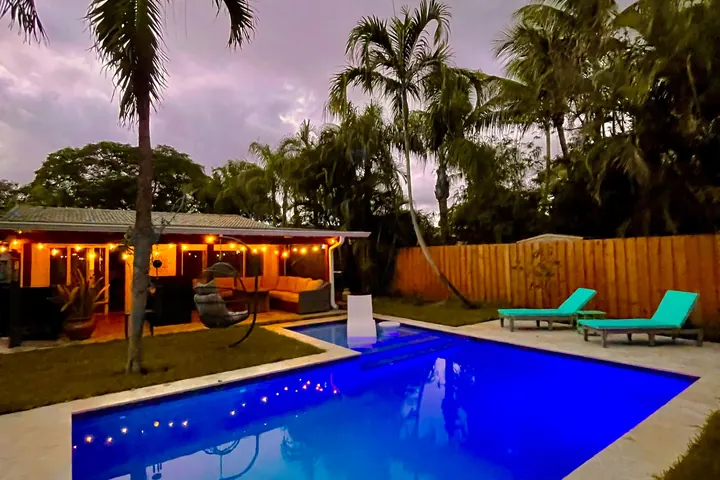
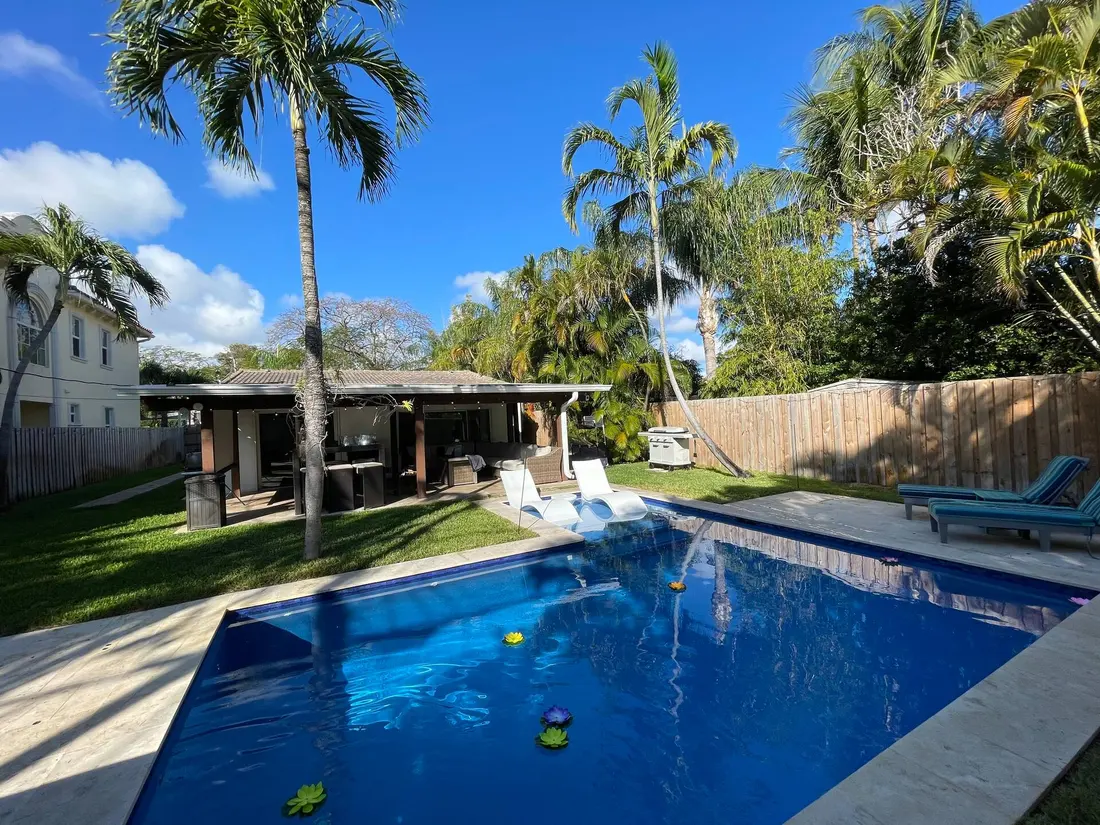
Whatever season you land on, Turtle Nest Bungalow is built for it. The private pool is heated for the cooler months and refreshing in the warm ones, so a swim is on the table on a hot summer day and a bright winter one alike, and the full kitchen and laundry mean a rained-out September afternoon is no drama at all. You are in a quiet residential area near Victoria Park, about 10 minutes from the beach and minutes from Las Olas, so you are close to everything the season brings without being in the thick of the crowds.
Once you have your dates, it is worth reading up on the rest of the trip: our beach and promenade guide for the main stretch of sand, the annual events guide for what is on while you are here, and the airport and Brightline guide for the easiest way in and out. Pick your season, check dates, and book the nest.
Questions people ask
What is the best month to visit Fort Lauderdale?
For the best mix of great weather and reasonable prices, November is hard to beat: warm, dry and low in humidity, with crowds well below the winter peak. May is the runner-up. If you want the most reliable sun and do not mind the cost, December through April is the classic peak.
When is the cheapest time to visit?
Summer and early fall are the cheapest, and October is often the year's lowest for rates. You trade heat, humidity and afternoon storms for smaller crowds and lower prices.
Is hurricane season a reason to avoid Fort Lauderdale?
Not on its own. The season runs June 1 to November 30 and peaks in September and October, but Fort Lauderdale only rarely takes a major storm and most of the season is just normal warm, showery weather. Watch the forecast for late-summer trips and consider travel insurance.
How hot does it get in summer?
Highs push near 90°F through July and August, and many summer days peak in the 90s. The humidity makes it feel warmer, so most people do their outdoor time in the morning and keep the afternoon for the pool or the shade.
When is the rainy season?
Roughly June through September, with September among the wettest months. Rain usually comes as a short, heavy afternoon storm that passes within an hour rather than an all-day gray, though a longer wet spell is more possible in September.
When is spring break in Fort Lauderdale?
Spring break traffic runs through March, with waves of visitors on different school schedules. It is a lively, busy stretch with higher prices, great if you want energy and less ideal if you want a quiet beach.
Is the ocean warm enough to swim year-round?
Yes. Water temperatures stay warm all year, roughly the upper 70s in winter up to the mid-80s by late summer, so swimming is on the table in every season.
How far ahead should I book for peak season?
For December through April, book your stay months in advance and lock in dinner reservations and any tours early too. Peak-season demand fills the best homes, tables and charters well before the dates arrive.
More Fort Lauderdale guides
 Photo: Sunnya343, CC BY-SA 4.0Plan your stay
Getting Here: Airport & Brightline
How to reach the nest: Fort Lauderdale's airport is fifteen minutes away, and the Brightline train connects Miami, Palm Beach and Orlando without a car.
Read guide →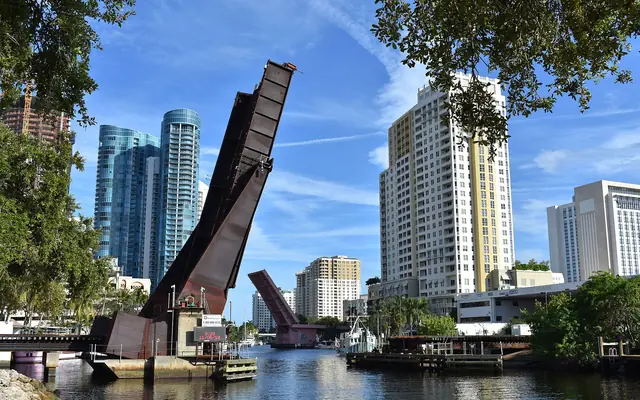 Photo: Tamanoeconomico, CC BY-SA 4.0Plan your stay
Getting Around Town
Car, free trolley, water taxi or rideshare: how to get around Fort Lauderdale during your stay, and when you actually need a car.
Read guide →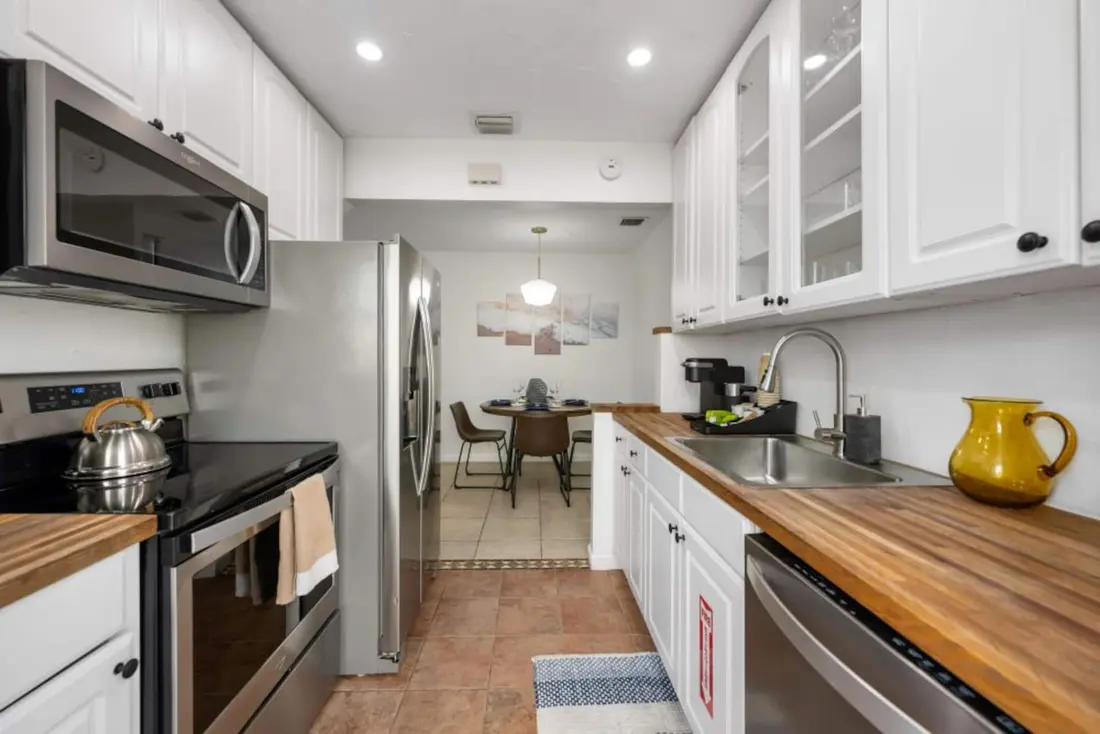 Plan your stay
Groceries & Markets
Stock the nest's kitchen: the closest supermarkets to Victoria Park, plus where to find fresh produce and specialty foods.
Read guide →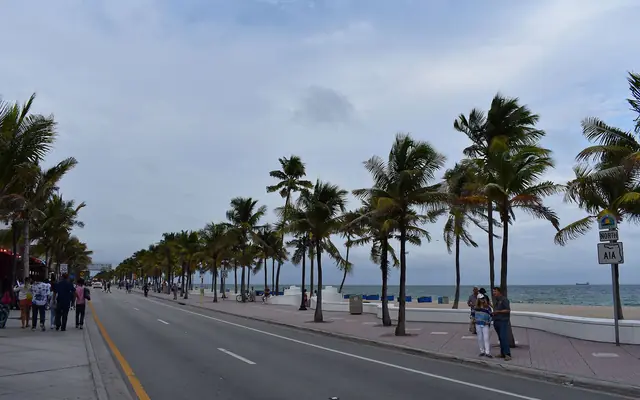 Photo: Tamanoeconomico, CC BY-SA 4.0Beaches & waterfront
Fort Lauderdale Beach & the Promenade
Fort Lauderdale's main public beach: the two-mile wave-wall promenade, where to park, and how to spend an easy day on the sand about ten minutes from the nest.
Read guide →Sources
We checked this guide against these sources in September 2026. Hours, prices and schedules change — confirm before you go.
Read it here. Live it from the nest.
A private pool, room for ten, and every one of these guides a short drive away.
Check Dates & Book