
Bonnet House Museum & Gardens
A 1920 artists' winter estate on 35 beachfront acres in Fort Lauderdale: historic house, tropical gardens, orchids and squirrel monkeys.
- Drive from the nestAbout 10 minutes
- Address900 N Birch Rd, Fort Lauderdale 33304
- Best forHistory, art and garden lovers; a slow morning
- HoursOpen several days a week, late morning to afternoon; check before you go
- CostAdults roughly $25-$30; check current
- How long1.5 to 2.5 hours
- Don't missThe squirrel monkeys and the orchids
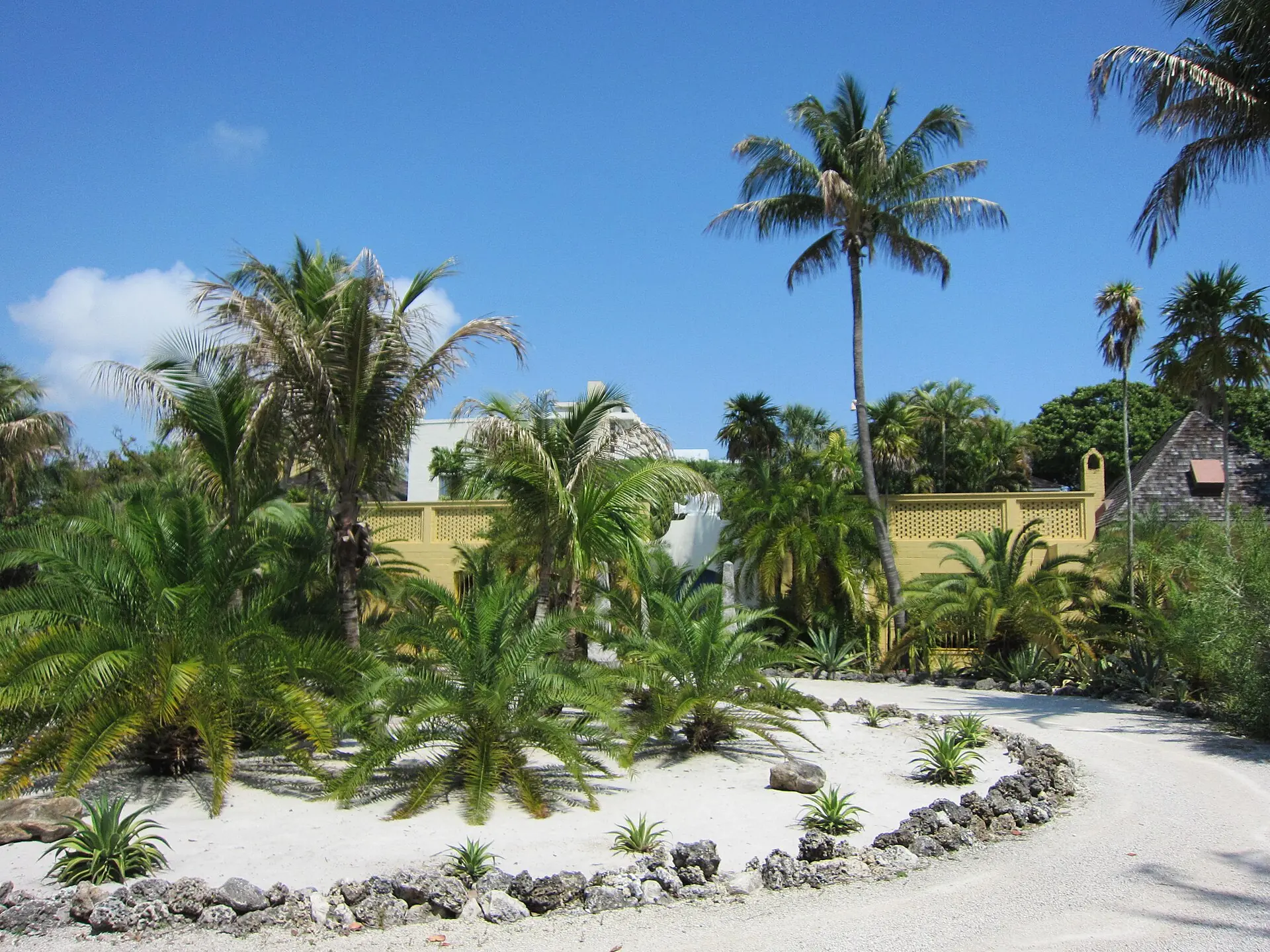
Photo: Bonnet House Museum & Gardens (Fort Lauderdale, Florida) 001 by Leonard J. DeFrancisci, CC BY-SA 3.0, via Wikimedia Commons (cropped)
A few hundred yards from the beach high-rises, behind a wall of greenery, sits one of the most surprising places in Fort Lauderdale: a rambling 1920s winter estate that feels a century removed from the traffic outside. Bonnet House Museum and Gardens is worth an unhurried morning, and it’s an easy trip from the nest.
What Bonnet House is
Bonnet House is a thirty-five-acre estate wedged between the Atlantic and the Intracoastal on a barrier island, right in the middle of one of the busiest stretches of the Fort Lauderdale coast. Drive up North Birch Road past the hotels and condos and you’d never guess it was there. Then you turn in, the pavement gives way to a long green drive, and the noise drops off.
The heart of it is a plantation-style winter home built by a Chicago artist, surrounded by tropical gardens, a freshwater lagoon, mangroves, and a working art studio. It’s part house museum, part botanical garden, part wildlife pocket. The name comes from the bonnet lily, a yellow water lily that grew in the sloughs on the property. Some people come for the monkeys, some for the art, and most leave having enjoyed both.
It sits right beside Hugh Taylor Birch State Park and a short distance from the north end of the beach, so it pairs naturally with a beach afternoon. More on that below.
The history
The Chicago artist Frederic Clay Bartlett built the house starting in 1920 for his second wife, Helen Birch, on thirty-five acres given by her father, Hugh Taylor Birch. Birch was a Chicago attorney and naturalist who had bought up a long stretch of this oceanfront when it was still wild, and he handed this piece to the couple as a wedding gift.
After Helen died in 1925, Bartlett married the artist Evelyn Fortune Lilly, and the two of them kept Bonnet House as their winter home until his death in 1953. Evelyn was a serious painter in her own right and lived a remarkably long life, holding onto the estate for decades. In 1984 she gave Bonnet House to the state of Florida, at the time the largest charitable gift in the state’s history, so it would be preserved rather than sold off and torn down for another tower. That single decision is the reason this green pocket still exists in the middle of the beachfront.
The construction happened in stages over many years, which is part of why the house feels so idiosyncratic. It wasn’t designed all at once. It grew room by room around a courtyard as the Bartletts wanted more space, and the artists themselves decided how it should feel.
What you’ll see inside the house
The house is full of the couple’s art and collections, and it’s eccentric in the best way. There are works connected to Picasso and Gauguin alongside the Bartletts’ own paintings, murals and painted ceilings the family did themselves, and rooms crammed with the things two artists spent a lifetime collecting: shells, carved animals, orchids rendered in every medium, whimsical touches around every corner. Evelyn’s own canvases and her collection of animal sculpture from Southeast Asia and Africa get real attention.
It doesn’t feel like a stiff, roped-off mansion. It’s a personal home that two creative people filled with their own work and their own jokes. The courtyard at the center, the loggias, the shell-lined rooms, and the studio where Bartlett painted all feel lived-in.
The gardens, the lagoon and the monkeys
For a lot of visitors the grounds are the real draw. There are tropical gardens, a lily pond, swans gliding around, winding paths, and a freshwater lagoon backed by mangroves that shelters turtles, fish, birds and butterflies. It’s a genuine slice of old Florida barrier-island habitat, the kind that’s almost entirely gone up and down this coast.
Then there are the squirrel monkeys. A troop of Brazilian squirrel monkeys lives on the property, descended from animals the Bartletts kept as pets. They’re wild now, they come and go, and they move fast through the canopy, so seeing them is never guaranteed. But when a little troop threads through the trees overhead it’s the highlight of the whole visit. Keep your eyes up and your snacks put away.
The orchids
Bonnet House is known for its orchids, and there’s an annual orchid festival, typically in December, when the grounds fill with growers and blooms. If you’re here in early December it’s worth timing your visit around it, but expect bigger crowds and check the current dates first.
How a visit goes
Plan on somewhere between ninety minutes and two and a half hours. That’s enough to walk the house, wander the gardens, sit by the lagoon, and not feel rushed. Here’s the rough shape of it:
- Park, get your ticket, and start with the house while you’re fresh and the day is still cool.
- Walk the studio and the courtyard rooms, taking your time with the art and the odd little collections.
- Head out into the gardens: lily pond, the swans, the paths toward the lagoon and mangroves.
- Watch the canopy for monkeys, especially in the quieter corners away from the house.
- Loop back through the orchid areas before you leave.
Admission is largely self-guided, so you can move at your own pace, but the estate also offers guided tours for an extra fee that get you deeper into the house and the stories behind it. Those guided options generally need to be booked ahead and run on a set schedule, so if you want one, reserve before you come. Tour formats and prices change, so check the current lineup rather than assuming.
Hours, admission and what it costs
Bonnet House is generally open several days a week, closed at least one weekday and on major holidays, with self-guided hours running from late morning into the afternoon. It sometimes closes for a couple of days in the spring for the Fort Lauderdale Air Show, since it sits near the flight line, and it can close for private events. Hours shift with the season, so check the official site before you drive over.
As a rough guide, self-guided adult admission runs somewhere around $25 to $30, with reduced rates for children, a lower gardens-only option, and resident and member discounts often available. Young children typically get in free. Guided tours cost more. Prices creep up over time, so treat any figure here as a ballpark and confirm before you go. Buying online ahead of time smooths out entry on busy weekends.
| Ticket type | Roughly |
|---|---|
| Adult, self-guided | Around $25–$30 |
| Children | Reduced |
| Young children | Often free |
| Gardens only | Lower rate, if offered |
| Guided tour | More; book ahead |
The exact numbers move, and there are member and resident rates, so use this to plan your budget and confirm at the gate or online.
Parking and getting there
From the nest it’s about a ten-minute drive: head east toward the beach and up North Birch Road, which runs one block in from the ocean on the barrier island. The entrance is easy to miss because it’s just a green break in the wall of hotels, so watch for the sign.
There’s a small onsite lot at 900 N Birch Road, but it fills up, especially on weekends and during events. When it’s full, look for public parking a short distance away. If you’re coming on a busy day, build in a few extra minutes for parking, or come early and skip the problem entirely.
What’s nearby
Bonnet House sits in the thick of the beach district, so it pairs easily with a whole morning-into-afternoon on the coast. A few ideas within a couple of minutes:
- Hugh Taylor Birch State Park — the same Birch family land, right next door, with trails, a lagoon and a tunnel under the road to the sand. A natural double-header with Bonnet House.
- Fort Lauderdale Beach and the promenade — the ocean is a couple of blocks east. Do the house in the cool morning, then hit the beach.
- Family and nature attractions — if the monkeys and gardens go over well, there’s more in this vein around town.
- The north-beach cafes and casual spots along the strip for lunch after.
If you’re building a wider art-and-history day, Bonnet House slots in nicely alongside the NSU Art Museum downtown and the Stranahan House on the river: three different windows into how this city grew from a frontier trading post into a beach town.
Best time to visit
Any time of year works, but the experience changes with the season. The winter dry season, roughly November through April, brings comfortable air and the fewest bugs, the same reason the Bartletts came south for the winter in the first place. The orchid festival lands around December. Summer is hot and humid with afternoon storms, so the morning-visit advice matters even more; get there early, do the gardens before the heat builds, and you’ll be back at the pool by lunch.
| Season | What to expect |
|---|---|
| Winter (Nov–Apr) | Best weather, fewest bugs, orchid festival in December, busier |
| Summer (May–Oct) | Hot, humid, afternoon storms; go at opening, fewer crowds |
Tips before you go
- Bring sun protection and water. A lot of the visit is outdoors under a strong Florida sun.
- Wear closed, comfortable shoes for the garden paths.
- Bug spray is smart, especially near the lagoon and in the warmer months.
- Buy tickets online ahead of a weekend or holiday to skip the line.
- Keep food out of sight around the monkeys, and don’t try to feed the wildlife.
- Check the current hours and any event closures before you drive over.
- Photography is welcome in the gardens; be mindful of the rules inside the house.
Back at the nest
Bonnet House is the rare Fort Lauderdale attraction that rewards going slow, and it’s close enough that you don’t have to make a whole production of it. Do the house and gardens in the cool of the morning, watch for a flash of monkey in the trees, then drive the ten minutes back to the nest to cool off in the pool while the afternoon storms roll through. The full kitchen and the griddle mean you can throw together lunch at home and skip the beach-strip prices, and the fire pit is waiting for the evening. A little history in the morning, the pool in the afternoon: that’s a good Fort Lauderdale day.
Questions people ask
How much does Bonnet House cost?
Self-guided adult admission runs somewhere around $25 to $30, with reduced rates for children and often a lower gardens-only option. Young children typically get in free, and resident and member discounts are usually available. Guided tours cost more. Prices change, so check the official site before you go.
How long should I plan for a visit?
Give it ninety minutes to two and a half hours. That covers the house, the gardens, the lagoon and time to watch for monkeys without rushing.
Will I actually see the monkeys?
Maybe. A troop of wild squirrel monkeys lives on the grounds, descended from the family's pets, but they roam and aren't guaranteed. Your best odds are early in the morning when the grounds are quiet.
When is Bonnet House open?
It's generally open several days a week from late morning into the afternoon, closed at least one weekday and on major holidays. It can also close for private events and sometimes for a couple of days in spring for the air show. Hours shift seasonally, so confirm before you drive over.
Is there a guided tour?
Admission is largely self-guided, but the estate offers guided tours for an extra fee that go deeper into the house and its stories. Those generally need to be booked ahead on a set schedule, so reserve first if you want one.
Where do I park?
There's a small onsite lot at 900 North Birch Road that fills on weekends and during events. When it's full, look for public parking nearby. Arrive near opening to park right at the gate.
How far is it from Turtle Nest Bungalow?
About a ten-minute drive. Head east toward the beach and up North Birch Road on the barrier island; the entrance is an easy-to-miss green break in the wall of hotels.
Is it good for kids?
Yes. The wide lawns, the swans, the koi in the lily pond and the chance of monkeys keep kids engaged. Just tell them the monkeys are wild and may not appear, and keep snacks out of sight.
More Fort Lauderdale guides
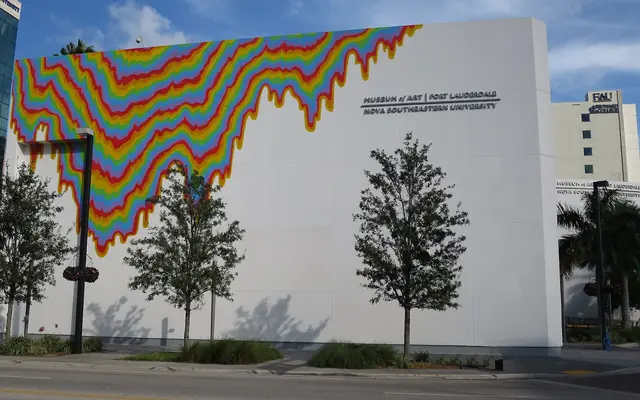 Photo: Wmpearl, CC0Arts & culture
NSU Art Museum
Downtown Fort Lauderdale's art museum on Las Olas: a major collection of postwar CoBrA art, Picasso ceramics and Latin American modernism, with free first Thursdays.
Read guide →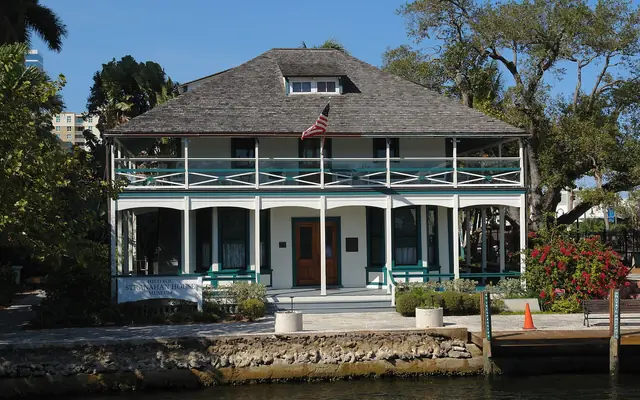 Photo: User:Kolossos, CC BY-SA 3.0Arts & culture
Stranahan House & the Riverwalk
Broward County's oldest building and the brick path along the New River: where Fort Lauderdale began, an easy history walk from Las Olas.
Read guide →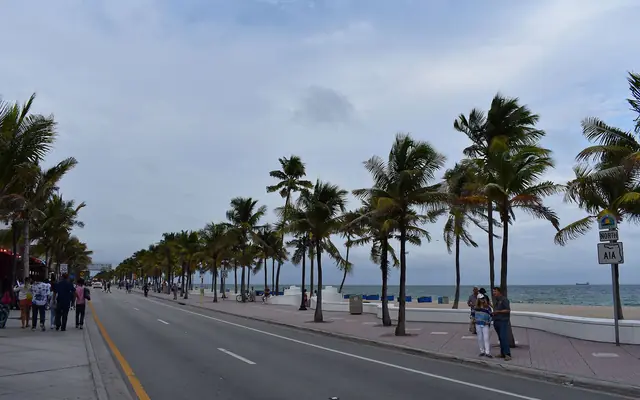 Photo: Tamanoeconomico, CC BY-SA 4.0Beaches & waterfront
Fort Lauderdale Beach & the Promenade
Fort Lauderdale's main public beach: the two-mile wave-wall promenade, where to park, and how to spend an easy day on the sand about ten minutes from the nest.
Read guide →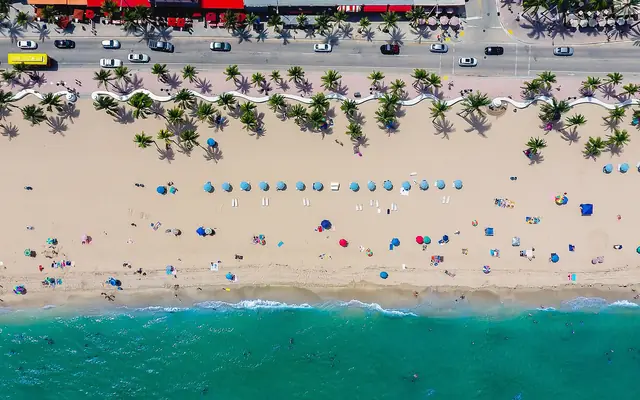 Photo: Lance Asper lance_asper, CC0Beaches & waterfront
Las Olas Beach & Oceanside Park
The closest beach to the nest, where Las Olas Boulevard meets the ocean: a shaded park lawn, the beach garage, and easy sand without the long walk.
Read guide →Sources
We checked this guide against these sources in September 2026. Hours, prices and schedules change — confirm before you go.
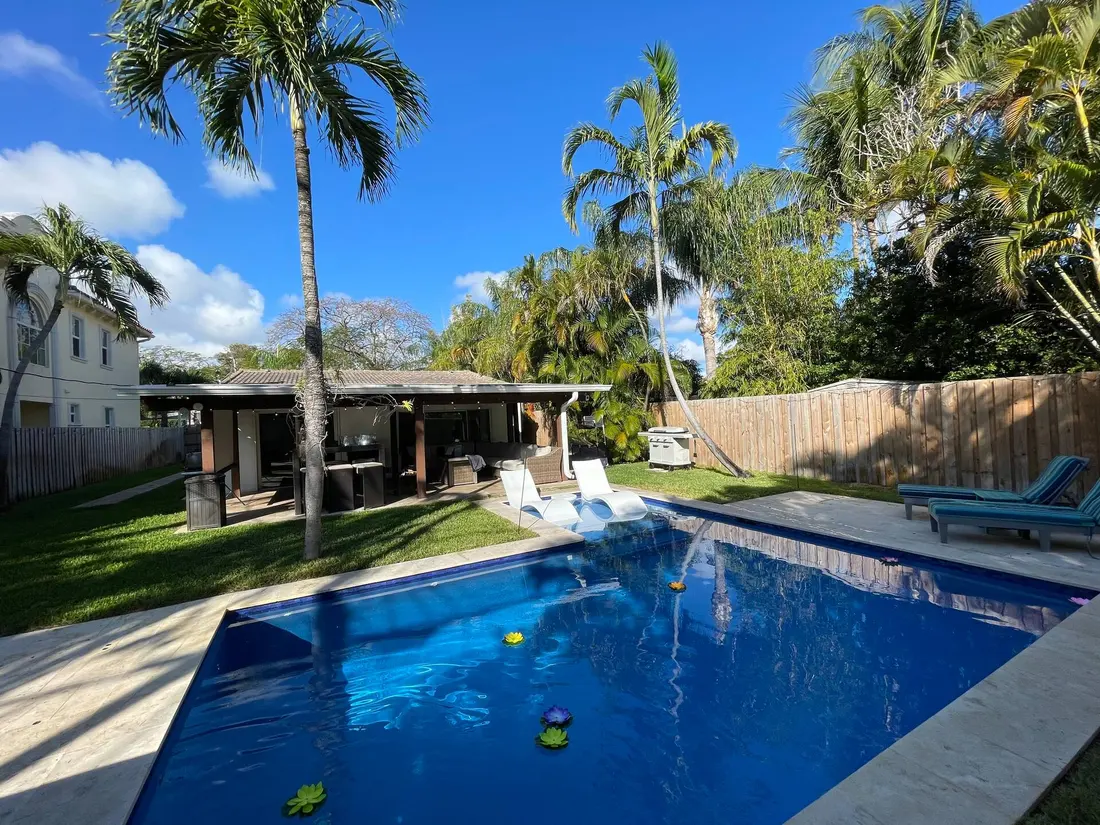
Read it here. Live it from the nest.
A private pool, room for ten, and every one of these guides a short drive away.
Check Dates & Book