
NSU Art Museum
NSU Art Museum sits at the downtown end of Las Olas: CoBrA art, William Glackens, Picasso ceramics, free first Thursdays. Hours, parking, tips.
- Drive from the nestAbout 5–8 minutes
- AddressOne E. Las Olas Blvd, 33301
- Best forRainy days, art lovers, a Las Olas half-day
- HoursClosed Mon; open into late afternoon — check current hours
- CostModest; free first Thursday — check current prices
- Time to budget1–2 hours
- ParkingNo lot; nearby public garage or downtown meters
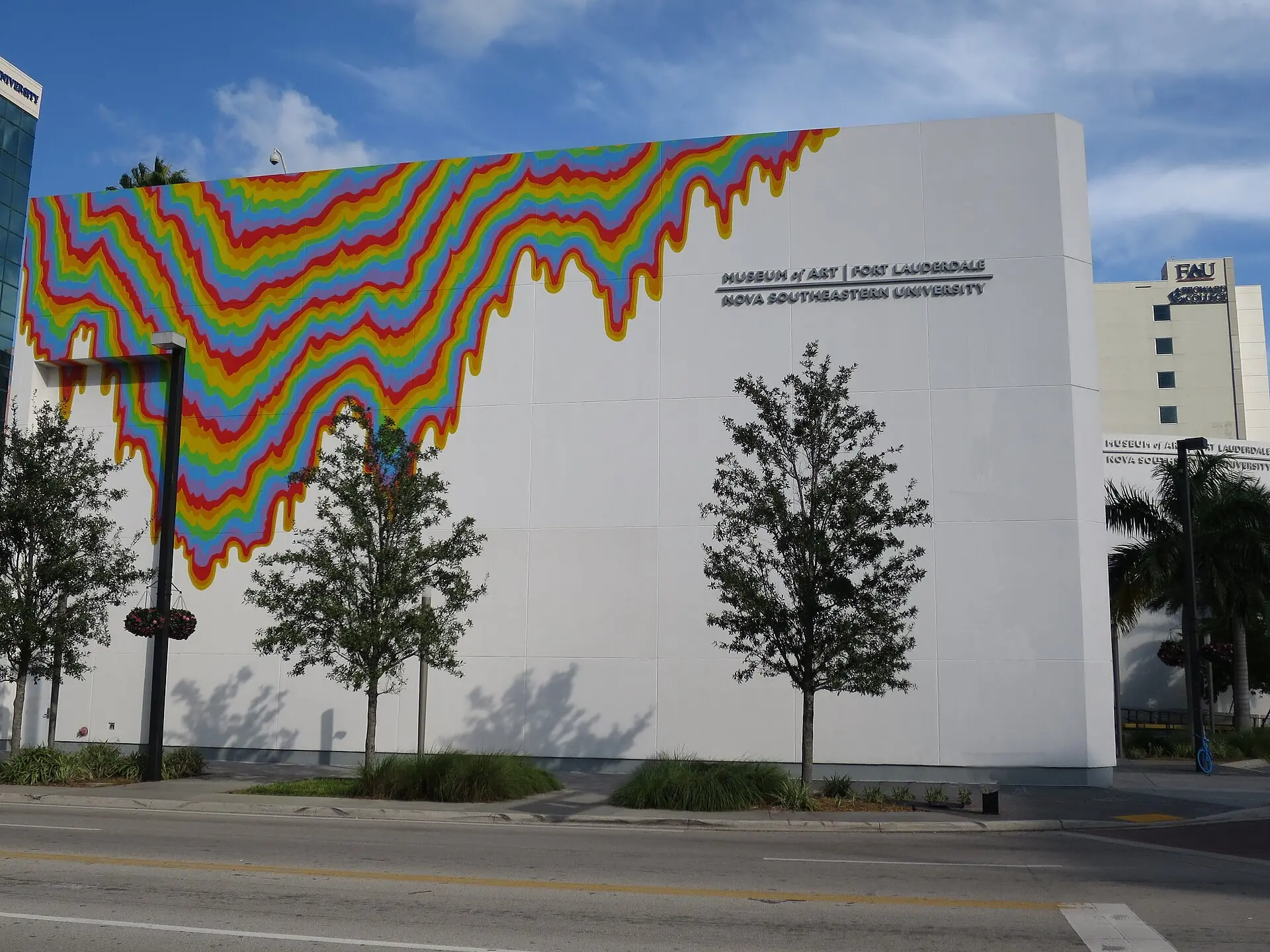
Photo: Museum of Art Fort Lauderdale, exterior by Wmpearl, CC0, via Wikimedia Commons (cropped)
At the downtown end of Las Olas, the NSU Art Museum is Fort Lauderdale's main art museum. It holds a well-regarded collection in a striking modernist building, and it folds easily into a day on the boulevard. From the nest it is about a five to eight minute drive, which makes it a smart pick for a hot afternoon or a passing rain shower.
What it is
This is the museum that anchors the arts side of downtown Fort Lauderdale. It holds roughly seventy-five hundred works and has built its reputation on a few deep specialties rather than trying to cover everything. The building itself is worth a look before you walk in: a low, geometric modernist design by the architect Edward Larrabee Barnes. You can see the whole thing in an hour if you move, or stretch it to two if you like to sit with paintings.
A short history
The museum was founded in 1958, when Fort Lauderdale was still mostly a beach town, and spent its early decades as a scrappy civic art museum. The current building opened in the 1980s. In 2008 it became part of Nova Southeastern University, which is where the NSU in the name comes from. Longtime locals may still call it the Museum of Art, its older name, so don't be thrown if you hear both.
The university connection matters for a visitor in a practical way. It keeps the doors open, funds bigger traveling shows, and brings in students, which gives the place a bit more energy than a sleepy regional museum. It is the closest real art museum to the house.
The collection
Three strengths carry the museum, and they are the reason to go even if the current special exhibition doesn't grab you.
CoBrA
The museum holds the largest collection in the United States of CoBrA art. CoBrA was a short-lived, loud, deliberately childlike avant-garde movement that came out of postwar Europe in the late 1940s. The name is an acronym for Copenhagen, Brussels and Amsterdam, the home cities of its founders. The work is bright, gestural and a little wild, full of masks, beasts and thick paint, a reaction against both the polish and the horror of the war that had just ended. If you only know European modern art from the big Paris names, this is a corner of it most Americans never see, and it is the museum's calling card.
William Glackens
The second anchor is the American realist painter William Glackens. The museum owns more of his work than anyone else and shows it in a dedicated wing. Glackens was part of the early-twentieth-century group that painted ordinary American life instead of grand subjects: park scenes, crowds, cafes, women in bright dresses. His color is warm and a little French. The Glackens rooms are the calm heart of the building, and they tend to be the part first-time visitors remember.
Latin American, Cuban and Picasso ceramics
Beyond those two, the museum has a deep Latin American modern collection, with work associated with names like Frida Kahlo and Diego Rivera, and a strong holding of Cuban exile art, which makes a lot of sense in South Florida. There is also a group of Picasso ceramics, the plates and vessels he decorated late in life. Between these and the rotating exhibitions, there is almost always something on the walls you didn't expect.
Hours, admission and the free day
The museum is closed Mondays and open the rest of the week into the late afternoon, with a shorter day on Sunday. Those hours drift with holidays and big events, so it is worth a thirty-second check on the museum site before you drive over.
General admission is modest, with lower rates for seniors, military and college students, and free entry for visitors seventeen and under. Prices do change, so treat anything you read as a ballpark rather than a promise.
If your schedule is flexible, aim for the first Thursday of the month. Admission is free that day and the museum stays open later under its long-running evening program. It draws a crowd and a bit of a scene, which is either the appeal or the reason to come another time, depending on your mood.
Getting there and parking
The address is One East Las Olas Boulevard, right where the boulevard meets downtown. From the nest it is a five to eight minute drive, and the parking is the only fiddly part of the whole outing.
The museum has no lot of its own. It points visitors to the Riverwalk Center Garage, which is the easy, sheltered choice and sits a block or two away. Beyond that there are metered street spaces around downtown and the usual scatter of public and private lots and garages. On a normal weekday you'll find something quickly. During a festival or a boat-show weekend, downtown parking tightens up, so leave a little margin.
Because you're already downtown, the smart play is to park once and make an afternoon of it on foot. For the bigger picture on moving around town without stress, see the getting around Fort Lauderdale guide. If you'd rather arrive by water, the water taxi has a stop near the downtown Riverwalk, which turns the trip into part of the fun.
Planning a visit
This is not an all-day museum, and it doesn't pretend to be. Budget one to two hours inside. Here's a half-day that uses it well:
- Drive in for late morning, park in the garage, and do the museum first while it's cool and quiet.
- Walk the permanent collection, the Glackens, CoBrA and Latin American rooms, then whatever special exhibition is up.
- Duck into the small cafe or the store on your way out.
- Walk out onto Las Olas Boulevard for lunch and a bit of window shopping.
- Finish with a slow loop of the Riverwalk and the historic Stranahan House, which is a block from the water.
That's art, food, and a river walk in one stretch of downtown, and you never move the car.
What's inside besides art
The building has a cafe and a museum store, so you can grab a coffee or a snack without leaving, and the shop is a decent spot for a design book or a gift. There is also an auditorium that hosts talks, films and music tied to the exhibitions. If you're the type who likes a curator's talk, check the events calendar, because the programming is often the best part of a first-Thursday night.
One small logistical note: like most museums, this one limits bag size in the galleries and asks you to check anything larger. Travel light and you'll breeze through the entrance.
How it fits with the rest of downtown
The museum sits in the densest cluster of things to do in the whole city, which is what makes it such an easy add. Within a short walk or a very short drive you have:
- Las Olas Boulevard, with restaurants, cafes, galleries and shops right outside the door.
- The Stranahan House and the Riverwalk, the city's oldest building and a shaded path along the New River.
- The Museum of Discovery and Science, a hands-on, kid-friendly counterweight a few blocks over, with an IMAX.
- Flagler Village, the mural-covered arts district just north, good for a coffee crawl or a Saturday.
If your taste in art runs toward historic houses and gardens rather than modern canvases, the Bonnet House Museum & Gardens over by the beach is the natural companion piece.
When to go
The great thing about an art museum in a beach city is that it works as a bad-weather backup. South Florida summers bring near-daily afternoon storms, and this is exactly where you want to be when the sky opens up at 3 pm. It's the same logic in the peak of August heat: cool galleries beat a scorched beach chair.
| When you're here | How the museum fits |
|---|---|
| Summer (Jun–Sep) | Your rain-and-heat insurance. Go when the afternoon storm rolls in, or to beat the midday sun. |
| Winter high season (Dec–Mar) | Prime time and busiest. Weekday mornings are calmest, and big traveling exhibitions often land now. |
| Any first Thursday | Free admission and later hours. Lively and social, more of a scene than a quiet visit. |
| Boat-show / festival weekends | Fine inside, but downtown parking is tight. Arrive early and use the garage. |
For the bigger seasonal picture, crowds, prices, hurricane season and the shoulder months, the best time to visit guide lays it all out.
What to expect
A couple of things worth saying plainly. This is a mid-size museum. You will not spend a whole day here, and the permanent collection is focused rather than sprawling. What's on display rotates, so the specific paintings you read about may be in storage when you visit. The CoBrA and Glackens strengths are the constant, but individual works come and go. And the special exhibitions are the wild card: sometimes there's a blockbuster show, sometimes something quieter. Go in wanting to see a well-curated slice of modern and American art, and you'll come out happy. Go in expecting the Louvre and you won't.
Back at the nest
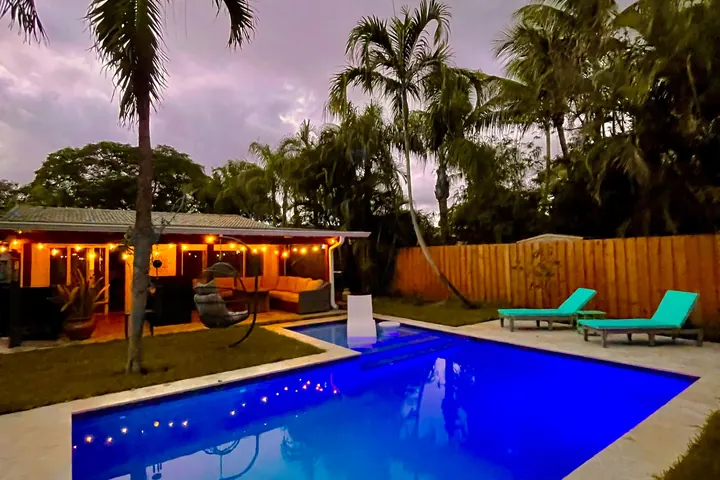
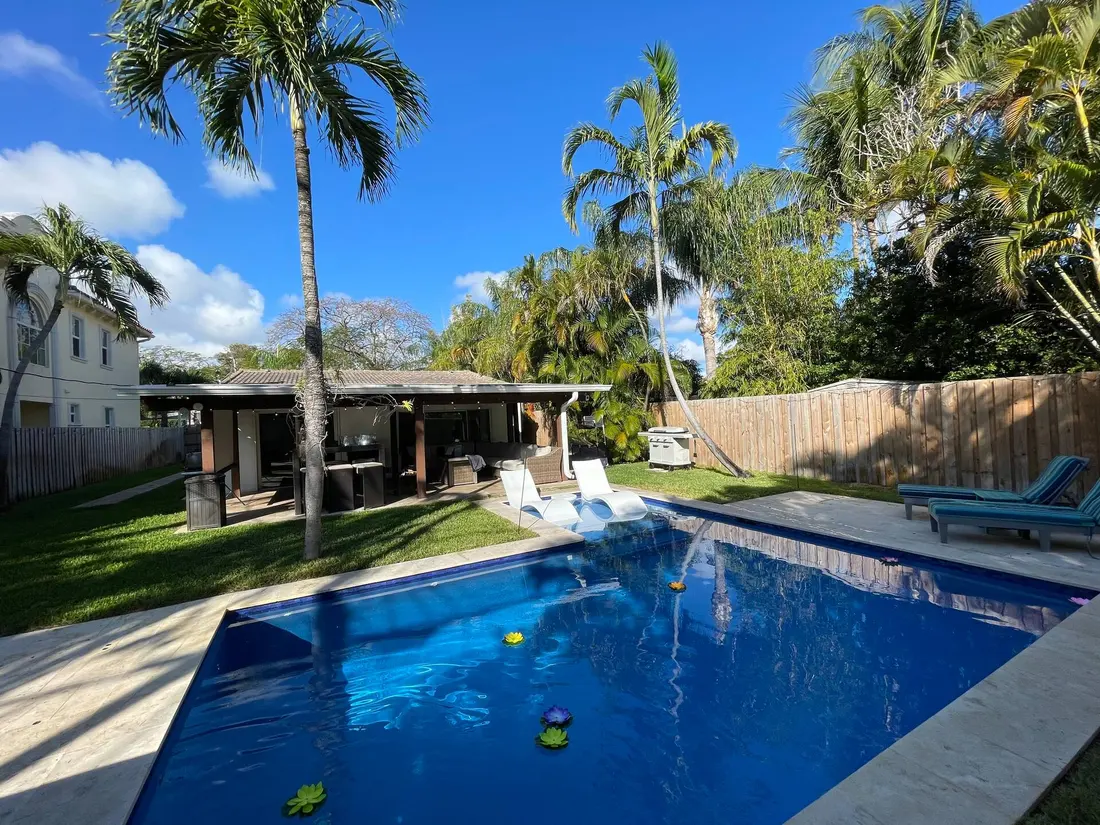
The nice thing about this one is how little it costs you in time. It's a five to eight minute drive from Turtle Nest Bungalow, an hour or two inside, and you're back at the pool by mid-afternoon with the whole evening still ahead. It's the ideal move for the day someone in the group wants a break from the sun, or the afternoon a storm parks itself over the coast. Do the museum, grab lunch on Las Olas, walk the Riverwalk, then come home, fire up the griddle, and let the kids hit the sun shelf while dinner cooks. When you're ready to plan the rest of the culture-and-food days, the Las Olas guide and the waterfront restaurants roundup are the two to read next.
Questions people ask
How much is admission and are kids free?
General admission is modest, with lower rates for seniors, military and college students. Visitors 17 and under are typically free. Prices change, so check the current rates before you go.
When is the museum free?
The first Thursday of every month is free, with extended hours. A few programs also cover other groups on set days, so confirm the details on the museum site.
What days is it open?
It is closed Mondays and open the rest of the week into the late afternoon, with a shorter day on Sunday. Hours shift with holidays and special events, so check ahead.
Is there parking at the museum?
There is no museum lot. The museum points visitors to a nearby public garage, the Riverwalk Center Garage, and to metered street parking around downtown. From the nest it is a short drive, so many guests just park once and do Las Olas on foot.
How long should I plan to spend?
Most people spend one to two hours. If a big traveling exhibition is up, or you want to sit through the Glackens and CoBrA rooms slowly, give yourself the full two.
Is it good for kids?
It can be, especially with the free youth admission and rotating shows. It is a quiet, look-with-your-eyes museum, so pair it with the beach or a Riverwalk walk to balance out the day. For a hands-on museum, the Museum of Discovery and Science is a few blocks away.
What is the museum known for?
Three things stand out: the largest U.S. collection of postwar CoBrA art, one of the largest collections of American realist William Glackens, and strong Latin American and Cuban holdings alongside Picasso ceramics.
Can I combine it with lunch or shopping?
Easily. The museum sits at the downtown end of Las Olas Boulevard, so you can walk to restaurants, cafes and shops, and the Riverwalk is a block away. There is also a small cafe and store inside the museum.
More Fort Lauderdale guides
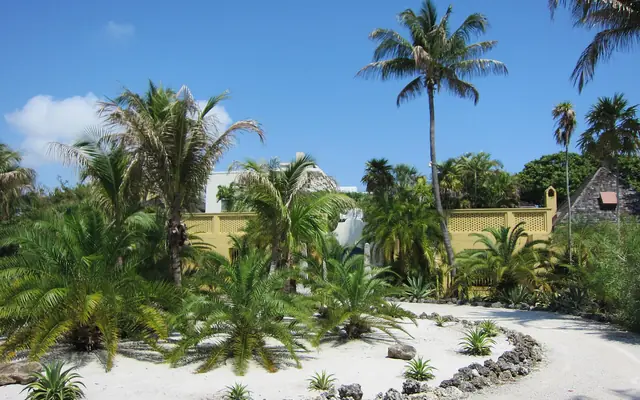 Photo: Leonard J. DeFrancisci, CC BY-SA 3.0Arts & culture
Bonnet House Museum & Gardens
A 1920 artists' winter estate on 35 acres by the beach: the historic house, the tropical gardens and the resident monkeys, minutes from the nest.
Read guide →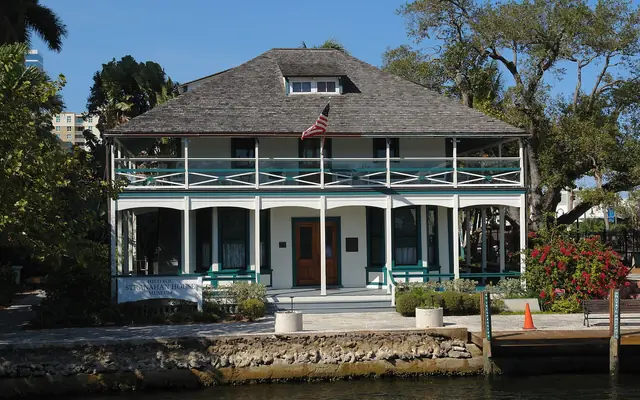 Photo: User:Kolossos, CC BY-SA 3.0Arts & culture
Stranahan House & the Riverwalk
Broward County's oldest building and the brick path along the New River: where Fort Lauderdale began, an easy history walk from Las Olas.
Read guide →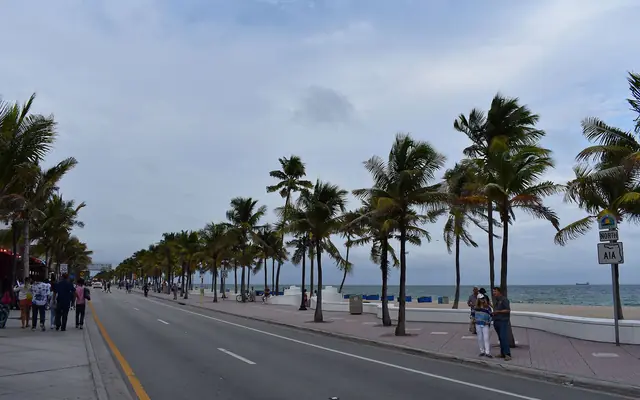 Photo: Tamanoeconomico, CC BY-SA 4.0Beaches & waterfront
Fort Lauderdale Beach & the Promenade
Fort Lauderdale's main public beach: the two-mile wave-wall promenade, where to park, and how to spend an easy day on the sand about ten minutes from the nest.
Read guide →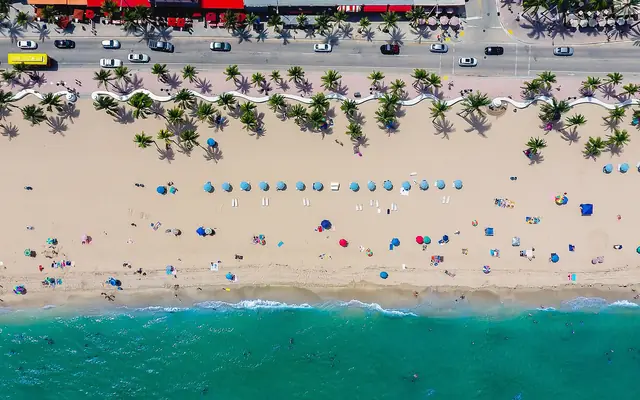 Photo: Lance Asper lance_asper, CC0Beaches & waterfront
Las Olas Beach & Oceanside Park
The closest beach to the nest, where Las Olas Boulevard meets the ocean: a shaded park lawn, the beach garage, and easy sand without the long walk.
Read guide →Sources
We checked this guide against these sources in September 2026. Hours, prices and schedules change — confirm before you go.
Read it here. Live it from the nest.
A private pool, room for ten, and every one of these guides a short drive away.
Check Dates & Book