
Stranahan House & the Riverwalk
Broward County's oldest building sits on the New River at the foot of Las Olas. Tour the 1901 Stranahan House, then walk the Riverwalk downtown.
- Drive from the nestAbout 10 minutes
- Where335 SE 6th Ave, on the New River
- Best forHistory, an easy downtown walk
- Time needed1 hour for the house, plus the walk
- CostHouse tour ticketed; Riverwalk free
- HoursLimited — check before you go
- Built1901, oldest building in the county
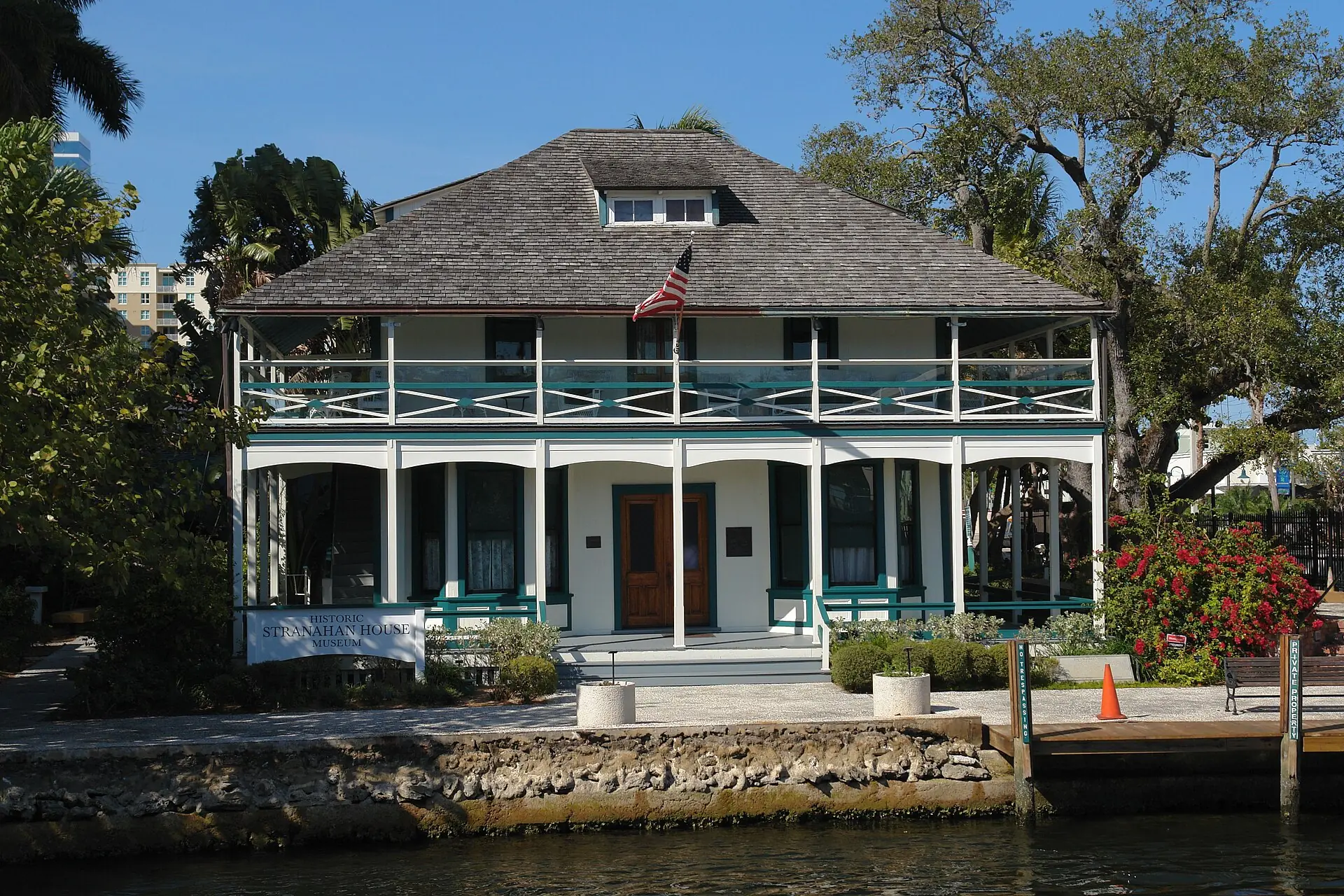
Photo: Fort Lauderdale-Stranahan House-waterside by User:Kolossos, CC BY-SA 3.0, via Wikimedia Commons (cropped)
Fort Lauderdale is a young city, and the spot where it started is still standing. A little wooden house on the New River, built in 1901, is the oldest surviving building in the whole county, and it sits right at the foot of Las Olas, connected by a brick path to the city's downtown parks and museums. Give it an hour or an afternoon.
Where it is and why it matters
The Historic Stranahan House Museum sits at 335 SE 6th Avenue, on the north bank of the New River, just south of Las Olas Boulevard. That location is the whole point. Before there were highways and cruise terminals and mile after mile of canal-front homes, the New River was the road. Trade, mail, and people moved by boat, and the sharp bend in the river here, Tarpon Bend, was a natural place to stop, camp, and do business.
That is where Frank Stranahan set up shop in the 1890s, and the house he built a few years later is the reason we can still point at a physical thing and say the city started here. Everything else downtown, from the office towers to the arts district to the restaurants along the water, grew out from this bend in the river. Standing on the porch, with skyscrapers reflected in the water, you get the whole timeline of Fort Lauderdale in one glance.
The house itself
Frank Stranahan built the two-story structure in 1901. At first the ground floor worked as a trading post and the upper floor as a community hall, a gathering space for a settlement that barely existed yet. Around 1906, as the town filled in and Frank opened other businesses nearby, he and his wife Ivy turned the building into their home. It stayed their home for decades.
It is a wide-porched, Florida frontier house built to handle heat and river breezes, with deep verandas and tall windows. It looks modest, and that is part of what makes it feel real. This is what a prosperous family's home on the edge of the Everglades actually looked like at the turn of the last century. The house was placed on the National Register of Historic Places in 1973, and it is recognized as the oldest surviving structure in Broward County.
Inside, the rooms are furnished to reflect the era the Stranahans lived here, and the guides walk you through both the objects and the bigger story: the trading post years, the marriage, the boom-and-bust decades that followed, and how a frontier outpost turned into a real city around this one building.
Frank and Ivy Stranahan
The house is worth seeing, but the people are what make the tour stick. Frank Stranahan came from Ohio and arrived on the New River in 1893, in his late twenties, to run a cousin's ferry and overnight camp at Tarpon Bend. He built up a trading business with the Seminole people, who traveled the rivers and sloughs by dugout canoe to trade otter and alligator hides, egret plumes, and other goods, sometimes camping at the post for days. Frank had a reputation for dealing fairly, which is a big part of why the business lasted.
Ivy Cromartie came to town in 1899 as the settlement's first schoolteacher, an 18-year-old hired to teach the handful of children here. She and Frank married in 1900. Ivy went on to spend much of her long life advocating for the Seminole community and for the town she helped start. Between the two of them, the Stranahans are about as close as Fort Lauderdale gets to founders, and the tour tells their story plainly.
Taking the tour
Visits here come in two forms. Most days you can do a self-guided tour, which runs about an hour and lets you move through the house at your own pace with information along the way. At times the museum offers a docent-led tour with a real person telling the stories, which runs a bit longer and is capped at a small group. If a live tour is running when you want to go, it is the better experience, since the guides are the best part.
The single most important planning note: this place keeps limited hours and they can shift. The house closes for private events, weddings, school field trips, and holidays, and the schedule can change week to week. Do not just show up and hope. Check the museum's online calendar, or call ahead, before you make the drive.
On price: the house is ticketed, usually with lower rates for seniors, college students, and kids. The exact numbers change, so confirm the current rate when you book rather than trusting any figure you read secondhand. The Riverwalk outside is free and open any time of day.
The Riverwalk
Step out of the house and you are on the Riverwalk, a landscaped brick path that runs along the New River through the middle of downtown. This is one of the easiest and most pleasant walks in the city, mostly shaded, flat, and lined with benches, big trees, and river views the whole way.
The version you walk today was funded by a 1986 bond that Fort Lauderdale voters approved to build both the Riverwalk and the downtown science museum. The first stretch opened around 1990, and it has grown since. Today the main path runs more than a mile along the river through the middle of downtown, from the Sailboat Bend area on the west end toward the Stranahan House on the east.
You do not need to walk all of it. The stretch between the science museum and Las Olas is the heart of it and takes in most of what people come for: parks, restaurants, water-taxi docks, and the old riverfront itself.
What's along the way
The Riverwalk is the connective tissue of downtown, so the fun is in what it links together. Heading west from the Stranahan House along the river, you can string together a full afternoon without ever getting in a car:
- Esplanade Park, a shaded green space right on the river, good for a breather or letting kids burn off energy.
- The Museum of Discovery and Science, the big family-friendly science museum with an IMAX theater, sitting just across the water and reachable on foot.
- The Himmarshee and Las Olas dining strips, restaurants and bars a block or two off the water, including several waterfront restaurants where you can eat with boats drifting past.
- Water-taxi docks, with several stops right on this stretch, so you can arrive or leave by boat.
- NSU Art Museum, a short walk from the river if you want to add a gallery stop; see the NSU Art Museum guide.
Because it is all walkable and all on the water, the Riverwalk is one of those rare downtown areas where you can leave the car behind for a few hours.
Seeing the river by boat
The Stranahans traveled by water, and it is still a great way to understand this place. Two easy options put you on the New River:
The water taxi is a hop-on, hop-off boat service that treats the river and Intracoastal like a bus route, with stops all along this downtown stretch. Buy a day pass and you can visit the Stranahan House, walk the Riverwalk, grab lunch, and float over to the beach without parking once. There is a water-taxi stop near Turtle Nest Bungalow, too, so you can start the whole day from the water.
For a narrated ride, the Jungle Queen riverboat has been running sightseeing cruises up the New River for generations and points out the mansions and history along the banks. Either way, seeing the river from the water makes the little house at Tarpon Bend make a lot more sense.
Stranahan House and Bonnet House
Fort Lauderdale has two house-museums worth your time, and they are completely different visits. If you like one, you may want both. Here is how they compare.
| Stranahan House | Bonnet House | |
|---|---|---|
| The vibe | Frontier trading post and pioneer home | Whimsical artists' winter estate |
| Setting | On the river, in the middle of downtown | Big garden estate near the beach |
| Best for | The city's origin story | Art, gardens, and grounds to wander |
| Time needed | About an hour | Half a day if you tour the grounds |
| Pairs with | The Riverwalk and Las Olas | A beach day |
If you want to make a theme of it, read the Bonnet House guide and do both on the same trip.
Making a half-day of it
Here is a simple, low-stress plan that uses the whole area well:
- Book a late-morning Stranahan House tour ahead of time.
- Drive down from the nest, about 10 minutes, or catch the water taxi and arrive by river.
- Tour the house, about an hour.
- Walk west along the Riverwalk, stopping at Esplanade Park.
- Cross to the Museum of Discovery and Science if you have kids, or keep strolling to the restaurants.
- Have lunch on the water, then either walk back or hop the water taxi.
- Cap it with a wander up Las Olas Boulevard, a block north, for shops and ice cream.
That is a genuinely full, walkable afternoon, and almost none of it costs anything beyond the house ticket and lunch.
Getting there and parking
From Turtle Nest Bungalow it is about a 10-minute drive to the foot of Las Olas and the downtown riverfront. Downtown parking is metered garages and lots. There is a lot near the Stranahan House and several garages within a short walk, but rates and availability change, so budget a few extra minutes to find a spot on a busy day.
The car-free option is better if you can swing it. Take the water taxi from a nearby stop, or use rideshare, and skip the parking hunt entirely. For the bigger picture on moving around the area, see getting around Fort Lauderdale.
When to go
The house tour is indoors and runs year-round, so weather matters most for the Riverwalk portion. Fort Lauderdale's dry season, roughly November through April, is the sweet spot: warm, lower humidity, and comfortable for walking. Summer is hot and sticky with near-daily afternoon thunderstorms, so if you come between June and September, do your walk in the morning and let the storm pass over lunch.
Time of day matters too. Late morning keeps you out of the worst midday heat and leaves the afternoon open for the river and Las Olas. Weekdays are quieter than weekends downtown. For a fuller seasonal breakdown, see the best time to visit.
- Bring: water, sun protection, and comfortable shoes for the brick path.
- Check first: the house's hours and your ticket, since the schedule can shift.
- Leave time for: lunch on the water and a stroll up Las Olas.
Back at the nest
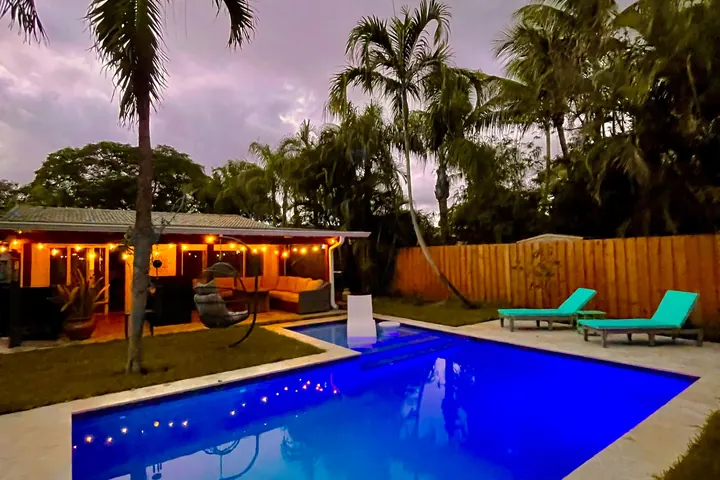
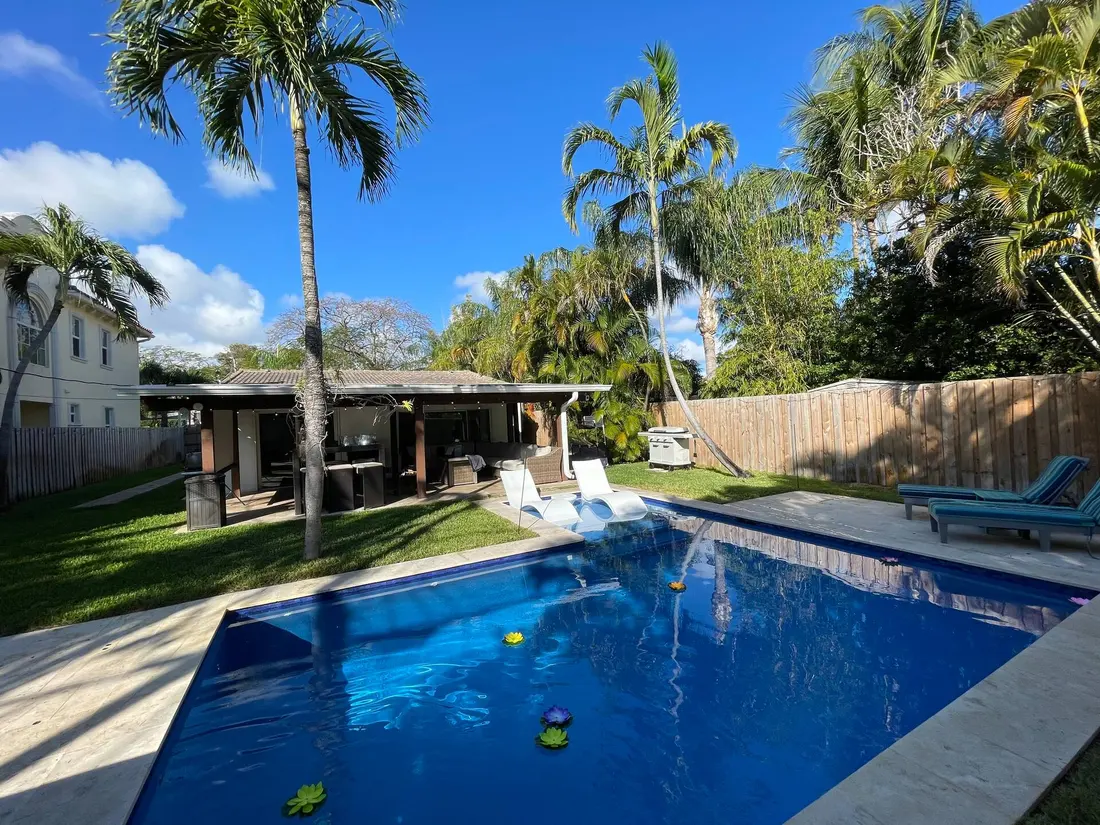
What is nice about this outing is how close it all is. The downtown riverfront is about a 10-minute drive from Turtle Nest Bungalow, so you can head out mid-morning, tour the house, walk the river, eat lunch on the water, and be back at the pool by mid-afternoon, with the fire pit and griddle waiting for the evening. It is an easy day that gives you the real story of the city without eating your whole trip.
If the river hooked you, keep going: spend a full day on the water taxi, settle into a longer Las Olas Boulevard afternoon, or explore your own corner of the city with the Victoria Park neighborhood guide just up the road from the nest. When you are ready, check dates and book the nest.
Questions people ask
How long does a Stranahan House tour take?
Plan on about an hour. Self-guided visits run roughly 60 minutes, and a docent-led tour runs a little longer. It is a small house, so you are never rushed.
Do I need to book Stranahan House tickets ahead?
It is a good idea. The museum keeps limited hours and small tour sizes, so booking online before you go is the safest way to be sure it is open and has space. You can also call to check.
What are the hours?
They are limited and can shift week to week for private events, field trips, and holidays. Always check the museum's calendar or call before driving over.
How much does it cost?
The house is ticketed, usually with lower prices for seniors, students, and kids. Prices change, so check the current rate when you book. The Riverwalk itself is free to walk anytime.
Is the Riverwalk worth walking on its own?
Yes. Even without a house tour, the brick path along the New River is a pleasant, mostly shaded stroll that links downtown parks, the science museum, restaurants, and water-taxi stops. It is one of the easiest ways to see the heart of the city.
Is this a good outing with kids?
It can be. The house tour is short and better for curious older kids, but the Riverwalk and its parks give younger ones room to move, and the Museum of Discovery and Science sits right across the water.
Can I get there by water taxi?
Yes. Several water-taxi stops sit on this stretch of the New River, so you can pair a boat ride with the walk and skip parking altogether.
How do I get there from Turtle Nest Bungalow?
It is about a 10-minute drive to downtown and the foot of Las Olas. You can also grab the water taxi from a nearby stop and arrive by river.
More Fort Lauderdale guides
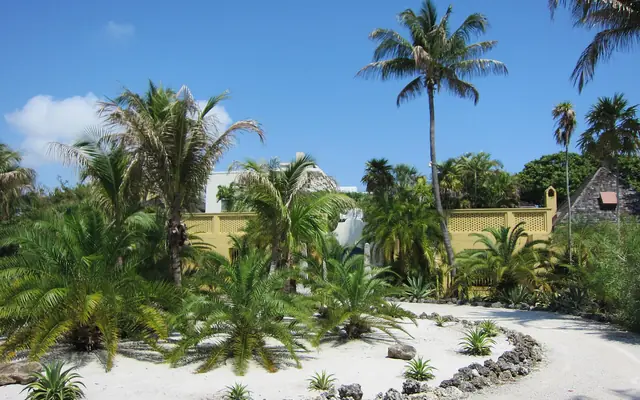 Photo: Leonard J. DeFrancisci, CC BY-SA 3.0Arts & culture
Bonnet House Museum & Gardens
A 1920 artists' winter estate on 35 acres by the beach: the historic house, the tropical gardens and the resident monkeys, minutes from the nest.
Read guide →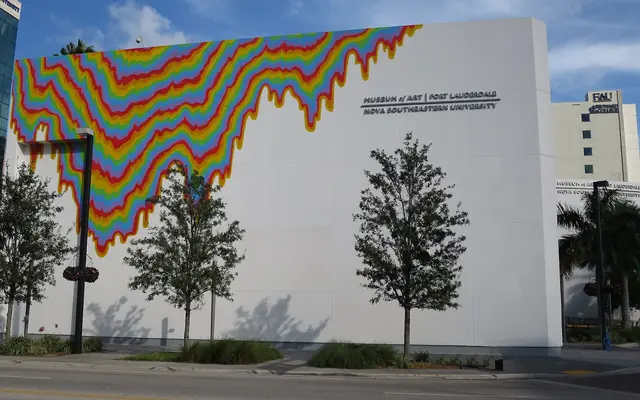 Photo: Wmpearl, CC0Arts & culture
NSU Art Museum
Downtown Fort Lauderdale's art museum on Las Olas: a major collection of postwar CoBrA art, Picasso ceramics and Latin American modernism, with free first Thursdays.
Read guide →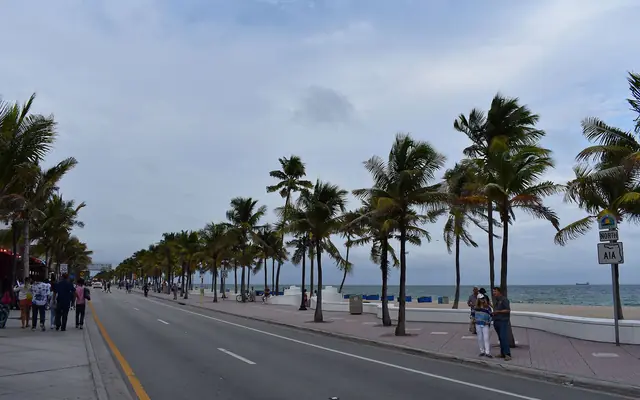 Photo: Tamanoeconomico, CC BY-SA 4.0Beaches & waterfront
Fort Lauderdale Beach & the Promenade
Fort Lauderdale's main public beach: the two-mile wave-wall promenade, where to park, and how to spend an easy day on the sand about ten minutes from the nest.
Read guide →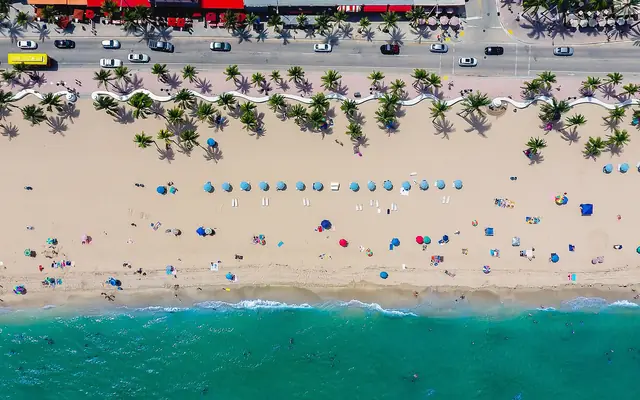 Photo: Lance Asper lance_asper, CC0Beaches & waterfront
Las Olas Beach & Oceanside Park
The closest beach to the nest, where Las Olas Boulevard meets the ocean: a shaded park lawn, the beach garage, and easy sand without the long walk.
Read guide →Sources
We checked this guide against these sources in September 2026. Hours, prices and schedules change — confirm before you go.
Read it here. Live it from the nest.
A private pool, room for ten, and every one of these guides a short drive away.
Check Dates & Book