
Fishing in Fort Lauderdale
Piers, drift boats, deep-sea charters and canal fishing near Turtle Nest Bungalow, plus license rules, seasons and where to go now.
- Drive from the nestCharter docks ~10 min; north piers 15-20 min
- Best forPier newbies, families on drift boats, offshore trophy hunters
- CostPiers a few dollars; drift boats roughly $50-$70; charters hundreds
- LicenseNot needed on a licensed public pier or a charter
- Peak seasonsSailfish Dec-Feb; mahi Apr-May; tarpon summer
- Gulf StreamDeep water within a couple miles of shore
- Heads-upAnglin's Pier is closed for rebuilding
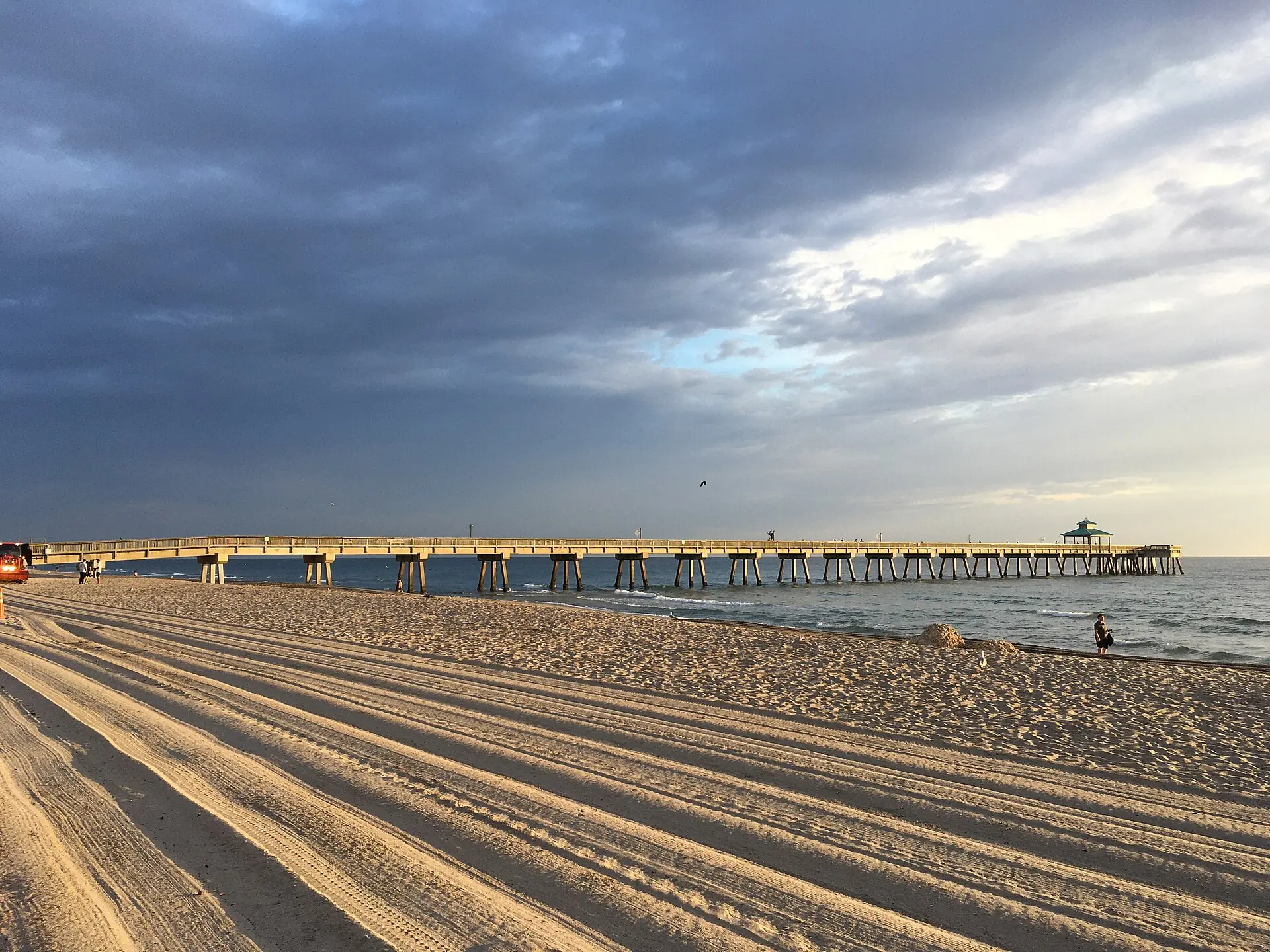
Photo: Deerfield International Fishing Pier, Florida by Old Hoar's Frost, CC BY-SA 4.0, via Wikimedia Commons (cropped)
Fort Lauderdale sits right where the deep Atlantic and the Gulf Stream come close to shore, which is why the fishing here is genuinely good and easy to get to. You can fish for the price of a pier ticket or charter a boat for the day, and from the nest you are minutes from all of it. Here is how the options stack up.
Why the fishing is good here
Most coastlines make you run twenty or thirty miles to find deep water. Not here. Off Fort Lauderdale the bottom drops fast, and the Gulf Stream, the warm current that runs north along the Florida coast, swings within a couple of miles of the beach. You can reach 200 feet of water inside a two-mile run. That short distance means shorter boat rides, more time with a line in the water, and a real shot at open-ocean fish close to shore.
Closer in, a line of reefs and old wrecks runs parallel to the beach in about 100 feet of water, roughly a mile out. That is where the drift boats work. And behind the beach, the Intracoastal Waterway and the New River canals hold their own set of fish. So you have three distinct fisheries stacked on top of each other, canals, reefs, and the Gulf Stream, all within a short drive of the front door.
Do you need a fishing license?
For most visitors, probably not, as long as you fish the easy way. Florida does not make you carry a license when you fish from a licensed public pier, and you do not need one on a charter or party boat either, since the vessel's license covers everyone aboard. That covers the two most popular ways guests fish here.
Where it changes is if you cast from the beach, a seawall, or a dock on your own. Florida residents can pick up a free shoreline saltwater license. Visitors from out of state need to buy a non-resident saltwater license before fishing from land; a short-term one is inexpensive and sold online through the state wildlife agency. Kids under 16 and Florida residents 65 and older are generally exempt. Rules and fees shift, so confirm the current details before you go.
From the pier
Pier fishing is the cheapest, lowest-commitment way to get a line wet, and for years the go-to spot was Anglin's Fishing Pier in Lauderdale-by-the-Sea, about fifteen minutes north. Anglin's has been closed since Hurricane Nicole damaged it in 2022, and the rebuild has been slow. As of 2026 the project is still working through permits and design, and reports suggest it is unlikely to reopen before 2028. It is a beloved landmark worth knowing about, but you cannot fish it right now, so do not drive up expecting to walk out over the water.
The good news is Broward County has other public piers still running. A little farther up the coast, the Pompano Beach Pier charges a few dollars to fish and generally runs from morning into the evening, with walk-on sightseeing usually free. There is also a community pier at Dania Beach to the south, and the Deerfield Beach pier farther north. Fees, hours, and bait availability change season to season, so call ahead or check the town's site before you load the car.
What you catch off a pier depends on the time of year: pompano, mackerel, jacks, snapper, and the occasional larger fish that cruises past the pilings. It is a fine way to spend an hour or two with a cheap rod, and it is one of the few kinds of fishing where kids can wander, snack, and still feel like they are part of it.
Drift boats and party boats
Drift fishing is the least expensive way to actually get offshore, and it is genuinely family-friendly. These are big, stable party boats that take a crowd out to the reefs, drop over the side, and drift with the current while everyone fishes. You do not need any gear or know-how; the crew hands you a rod, baits your hook, and helps you land whatever you hook.
The boats usually run several trips a day, a morning sail, an afternoon sail, and a night sail, though every operator sets its own schedule. Rods, bait, tackle, and the license are typically included in the ticket. Budget-wise, expect something in the range of $50 to $70 per adult depending on the boat and trip length, with kids often a bit less. Check current rates when you book.
Out on the reef in about 100 feet of water, you drift and anchor over the rock piles and wrecks for snapper, grouper, porgies, jacks, kingfish, and more, and on the right day a mahi-mahi or even a sailfish comes through. The night trips, where the crew chums the water under lights, can be especially productive and are a different kind of fun. If anyone in your group gets seasick, take the calmer morning sail and eat something light beforehand.
Deep-sea charters
For a serious day chasing mahi-mahi, tuna, wahoo, or sailfish, book a private charter out to the Gulf Stream. You get a dedicated captain, your own boat, a small group, and a real shot at a trophy fish. It costs more, running into the hundreds of dollars for a half or full day, but you are paying for expertise and a boat that goes where the fish are.
Much of Fort Lauderdale's sport-fishing fleet ties up along the docks at Bahia Mar, on Seabreeze Boulevard near the beach, with more boats working out of the marinas between Las Olas Boulevard and 17th Street, close to the Port Everglades inlet. That is a short drive from the nest, roughly ten minutes toward the beach. Walking the docks in the afternoon, when boats come in and hang the day's catch, is a good way to size up a crew before you book.
Charters fill up in peak season, so reserve ahead. A few practical notes: ask whether the price is per boat or per person, confirm how many hours you actually fish versus travel, and clarify who keeps the catch, since many boats split it and some keep it. Tipping the mate is customary if they hustled for you.
Inshore and Intracoastal fishing
Not every good day means running offshore. Fort Lauderdale earned its nickname, the Venice of America, from the maze of canals and the Intracoastal Waterway threading behind the beach, and those calm waters fish surprisingly well. The New River and the canal system downtown hold snook, tarpon, and peacock bass, plus largemouth bass around the bridges and docks.
Summer is the standout window inshore. Big schools of tarpon, fish that can top 100 pounds, move through the Intracoastal in the warm months, and snook stack up around the beaches and inlets to spawn. Peacock bass, a hard-fighting import that loves warm water, bite best when it is hot; in winter you shift your attention to largemouth. Dock lights and seawalls along the river produce good night fishing for snook, especially during the summer mullet run.
You can hire an inshore guide with a shallow-water skiff for a half day, which is a calmer and often cheaper alternative to going offshore, and a good call for a family or anyone who does not love open ocean. If you would rather explore the same water under your own power, our kayaking and paddleboarding guide covers the mellow launches nearby, and the water taxi guide is a fun way to see the same canals without a rod.
Fishing by season
Something bites here every month of the year, but the marquee species run on a calendar. South Florida does not really have a bad fishing season, only different targets. Here is the rough shape of it. Runs shift with water temperature and weather, so treat this as a guide, not a guarantee.
| Season | What’s running |
|---|---|
| Winter (Dec–Feb) | Prime sailfish, plus kingfish and wahoo offshore; largemouth bass in the canals |
| Spring (Mar–May) | Mahi-mahi arrives and seas calm down; sailfish season tapers; snapper on the reefs |
| Summer (Jun–Aug) | Peak mahi offshore; tarpon and snook light up the Intracoastal; hot peacock-bass bite |
| Fall (Sep–Nov) | Kingfish and mixed reef fish; quieter crowds; watch the tropical weather |
Sailfish is the winter headliner, with the season broadly running November through May and December to February the hottest stretch. Mahi is the warm-weather star, best from spring into summer. If you are timing a trip around one specific fish, tell the charter captain when you book and let them steer you to the right week. For a wider look at the calendar and the weather that comes with it, see our best time to visit guide.
What to bring
The most common rookie mistake here is underestimating the sun. Offshore the wind keeps you cool, so the burn sneaks up and you feel it that night. Cover up and reapply.
- Reef-safe sunscreen, and more of it than you think, plus a hat and polarized sunglasses
- A light long-sleeve sun shirt, better than sunscreen alone for a long day on the water
- Water and a few snacks; most party boats have a small galley but it is limited
- Non-slip closed-toe shoes; decks get wet and slick
- Motion-sickness tablets taken an hour before you leave the dock, if you are prone to it
- A small cooler with ice if you plan to keep and haul home your catch
- Cash for the mate's tip and the bait shop
A word on weather: summer brings near-daily afternoon thunderstorms, and captains will cancel or reschedule when it is unsafe. Book morning trips in summer to beat the storms, and do not take a cancellation personally, since a captain who calls it off is doing their job. Fall can bring tropical systems, so keep an eye on the forecast.
Back at the nest
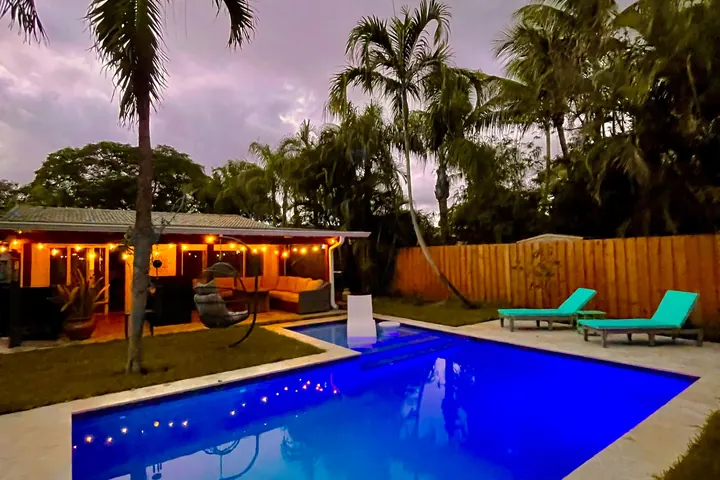
Here is the part that makes fishing from Turtle Nest so easy: the full kitchen means you can cook your catch the same night. Most charters and drift boats will clean, fillet, and bag your fish right at the dock, so you come home with dinner ready to hit the pan. The griddle out by the pool is made for exactly this: snapper or mahi with a squeeze of lime, corn on the side, everyone still in swimsuits.
If the fish did not cooperate, no harm done. You are about ten minutes from the beach and minutes from Las Olas, and the waterfront restaurants guide points you to places that will happily cook a meal for you. Need to stock the cooler or grab lime, foil, and butter before a trip? The groceries and markets guide covers the closest stops. Rinse the salt off in the pool, light the fire pit, and call it a day well spent on the water.
Questions people ask
Do I need a fishing license in Fort Lauderdale?
Not if you fish from a licensed public pier or on a charter or drift boat, since their license covers you. You only need your own license to fish from the beach, a seawall, or a dock, and non-residents must buy one for that. Kids under 16 and Florida residents 65 and older are generally exempt. Confirm the current rules before you go.
Is Anglin's Fishing Pier open?
No. Anglin's Pier in Lauderdale-by-the-Sea has been closed since Hurricane Nicole damaged it in 2022, and as of 2026 it is reported unlikely to reopen before 2028. Try the Pompano Beach pier or the Dania Beach pier instead, and check hours before you go.
What's the cheapest way to go fishing here?
A public pier is cheapest, usually just a few dollars to fish. The next step up is a shared drift or party boat, which tends to run roughly $50 to $70 per adult with rods, bait, and license included. Check current rates when you book.
What fish can I actually catch?
Offshore charters chase mahi-mahi, tuna, wahoo, and sailfish. Reef drift boats bring in snapper, grouper, kingfish, jacks, and porgies. In the canals and Intracoastal you'll find snook, tarpon, peacock bass, and largemouth bass.
When is the best time of year to fish?
Sailfish peaks in winter, roughly December through February. Mahi-mahi is best from spring into summer. Tarpon and snook light up the Intracoastal in the warm summer months. Something bites year-round, so book around the fish you most want.
Where do the charter boats leave from?
Much of Fort Lauderdale's sport-fishing fleet docks at Bahia Mar on Seabreeze Boulevard near the beach, with more boats in the marinas between Las Olas and 17th Street. From the nest that's about a ten-minute drive toward the water.
Can we cook the fish we catch back at the house?
Yes. Most drift boats and charters clean and bag your catch at the dock, and the nest has a full kitchen plus an outdoor griddle, so you can cook it that night. Grab a lime and some foil on the way home.
Is a drift boat okay for young kids?
Generally yes. The boats are big and stable and the crew does the work. Pick a four-hour morning trip when seas are calmest, bring snacks and water, and give anyone prone to seasickness a motion tablet an hour before departure.
More Fort Lauderdale guides
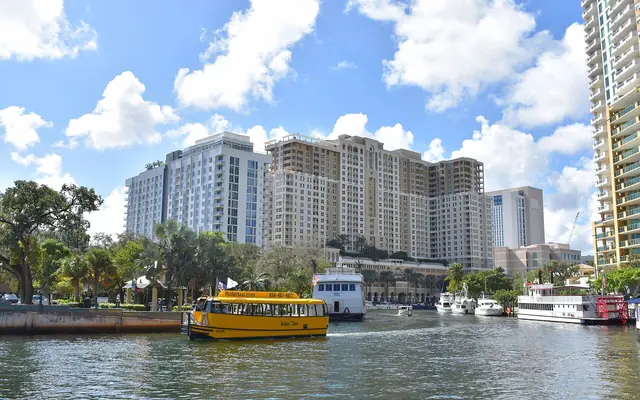 Photo: Tamanoeconomico, CC BY-SA 4.0On the water
The Fort Lauderdale Water Taxi
How the hop-on, hop-off Water Taxi works: the all-day pass, the stops worth using, and why it is the most fun way to see the canals and the Intracoastal.
Read guide → Photo: Richard Mc Neil, CC BY 3.0On the water
The Jungle Queen Riverboat
A Fort Lauderdale institution since 1935: a double-decker riverboat up the New River past Millionaire's Row, plus the tropical-island barbecue dinner cruise.
Read guide →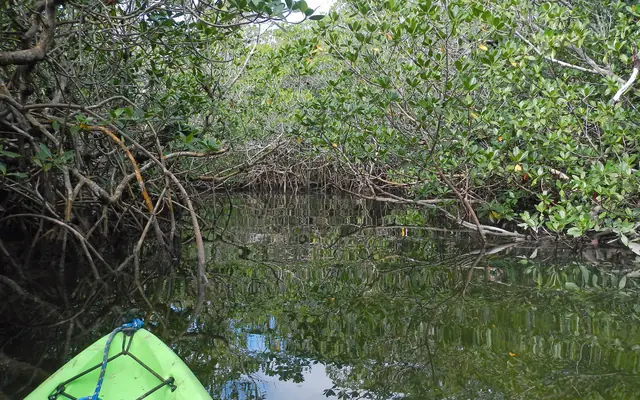 Photo: Fredlyfish4, CC BY-SA 3.0On the water
Kayaking & Paddleboarding
Calm-water paddling near the nest: the dune lake at Hugh Taylor Birch, the Middle River and canals, and the Whiskey Creek mangrove run.
Read guide →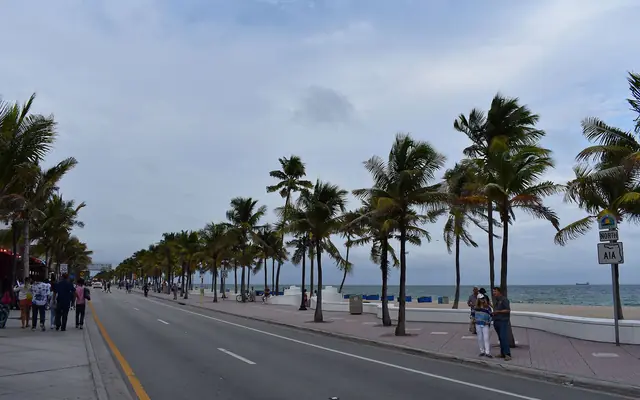 Photo: Tamanoeconomico, CC BY-SA 4.0Beaches & waterfront
Fort Lauderdale Beach & the Promenade
Fort Lauderdale's main public beach: the two-mile wave-wall promenade, where to park, and how to spend an easy day on the sand about ten minutes from the nest.
Read guide →Sources
We checked this guide against these sources in September 2026. Hours, prices and schedules change — confirm before you go.
- Visit Lauderdale - Fishing in Greater Fort Lauderdale
- Town of Lauderdale-by-the-Sea - Anglin's Pier Timeline
- New Pelican - LBTS pier unlikely to reopen before 2028
- FWC - Saltwater Shoreline Fishing Information
- FishingBooker - Drift Fishing Fort Lauderdale Guide
- FishingBooker - Fishing in Fort Lauderdale Complete Guide
- South Florida Boat Charter - Best Times for Deep Sea Fishing
- Bahia Mar Yachting Center
Read it here. Live it from the nest.
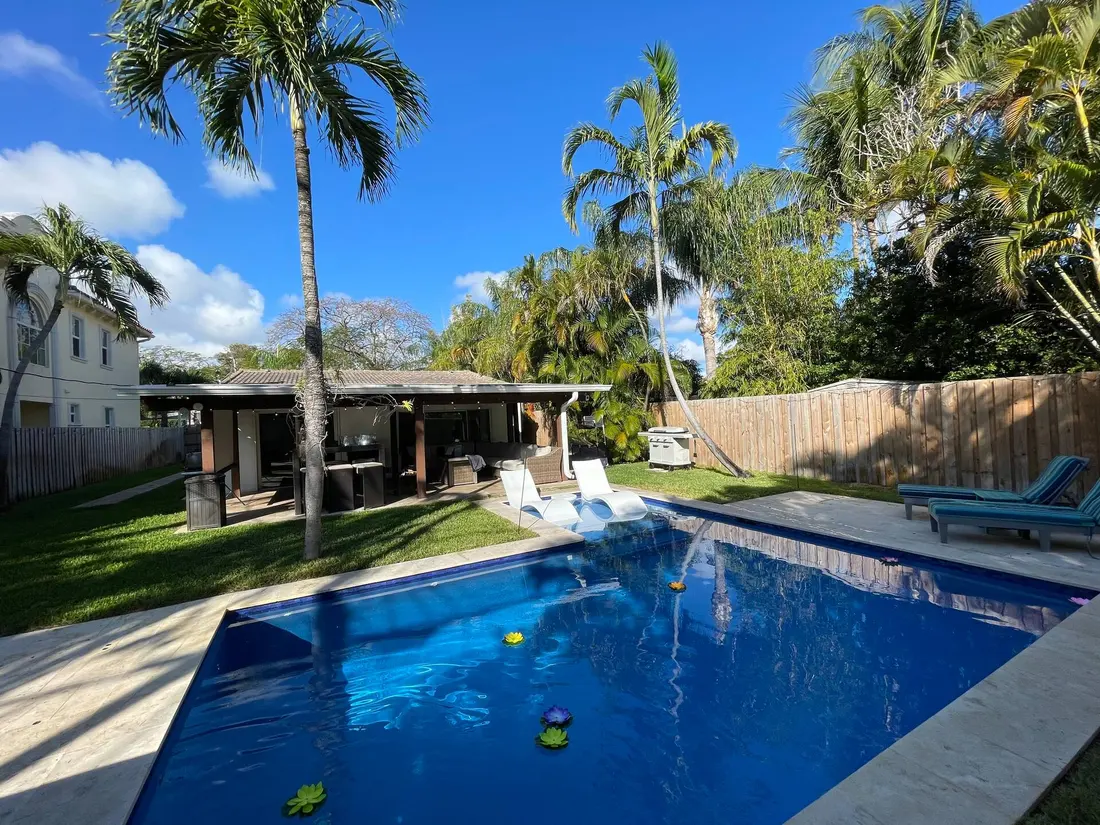
A private pool, room for ten, and every one of these guides a short drive away.
Check Dates & Book